 Politics
Read Next
Politics
New White House press secretary says she was almost aborted
Nancy Flanders
·

Senate committee to examine risks of chemical abortion drugs
This Wednesday, the Senate Health, Education, Labor, and Pensions (HELP) Committee will hold a hearing titled, Protecting Women: Exposing the Dangers of Chemical Abortion Drugs. The session will focus on the growing reliance on the abortion pill regimen in the United States, which is estimated to account for at least 63% of all abortions.
The committee will hear from medical experts, legal scholars, policy analysts, and women who have directly experienced complications from these drugs. The hearing aims to assess whether federal regulations sufficiently protect women’s health and whether additional oversight is required to prevent harm.
Senator Bill Cassidy, M.D. (R-La.), a practicing physician and chairman of the HELP Committee, has long been a leading voice in promoting maternal and fetal health through federal policy. He has introduced legislation to strengthen FDA oversight of reproductive drugs, ensure full disclosure of risks to patients, and expand access to resources for women who experience complications. In a statement ahead of the hearing, Cassidy said:
“As a doctor and a pro-life conservative, I am committed to protecting mothers and their unborn children. The medical evidence is clear: chemical abortion drugs not only end innocent lives, they can also put women in serious danger. This hearing will explore those risks, examine federal oversight, and consider steps that can protect women while upholding a culture of life.”
Live Action has conducted extensive research into the safety and distribution of chemical abortion drugs. Our investigations combine interviews with women harmed by chemical abortion (abortion drugs), analysis of FDA adverse event reports, and studies of state and federal regulatory changes. This research has revealed a pattern of risk magnified by relaxed dispensing rules, mail-order access, and telemedicine protocols that bypass in-person medical evaluation.
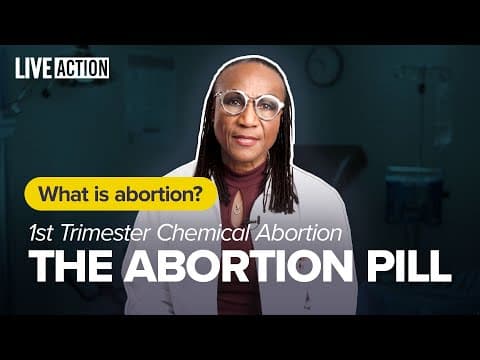
The abortion pill regimen consists of two drugs: mifepristone and misoprostol. Mifepristone blocks the pregnancy hormone progesterone, which starves the growing preborn child of nutrients. Misoprostol, usually taken several hours later, causes contractions so that the woman expels her preborn child. Live Action's "What is Abortion" video series explains in detail:
Our reporting shows that women are not always informed of the serious medical risks they face. Hemorrhaging, infection, incomplete abortion, and even death have all been documented. Lawmakers must understand these consequences when shaping policy.
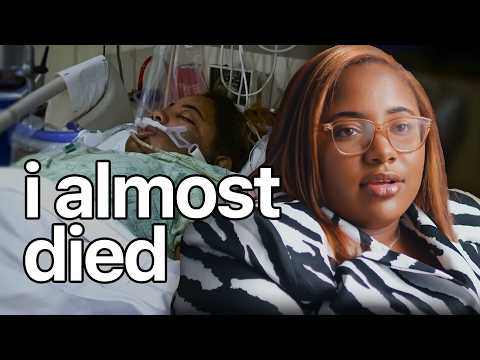
Among the stories submitted to the HELP Committee is the story of Shanyce Thomas. Her experience demonstrates the human cost behind the statistics. After taking the abortion pill, Shanyce suffered severe complications that were initially dismissed by her clinic.
“The cramps were unbearable. It felt like somebody was stabbing me in my stomach. Planned Parenthood told me I was fine, but I still had fetal remains inside me. I had to undergo multiple surgeries and a partial hysterectomy.”
Shanyce also went into septic shock, was placed in a medically induced coma, and spent weeks relearning basic functions such as walking, talking, and eating.
Mifepristone, the first drug in the two-pill chemical abortion regimen, was approved by the FDA in 2000. Initially, it was limited to use through the seventh week of pregnancy under direct physician supervision. These safeguards were intended to prevent life-threatening complications. In 2016, under the Obama administration, the FDA expanded access to 10 weeks. A recent lawsuit noted that the 2016 changes "were made without a single study evaluating the safety and effectiveness of mifepristone and misoprostol under the new conditions and without the safety assessment for pediatric populations required by law...."
From 2021-2023, the Biden administration allowed pills to be dispensed through mail/telemedicine and at retail pharmacies, bypassing in-person evaluations. "In addition to being untethered to any medical research evaluating the safety and effectiveness of mail-order abortion drugs, these changes openly defy federal law criminalizing the use of the mails to convey '[e]very article or thing designed, adapted, or intended for producing abortion.' 18 U.S.C. § 1461...§ 1462..." noted the same recent lawsuit.
Live Action and Live Action News’ reporting has documented multiple adverse events under the expanded regimen, including severe hemorrhaging, sepsis, hospitalization, and deaths. In 2025, the FDA initiated a safety review of mifepristone in response to growing concerns about widespread, unmonitored use.
Pro-life organizations argue that the agency has failed to fully address these dangers or ensure that women are provided with comprehensive risk information.
Chemical abortion now accounts for the majority of abortions nationwide.
Conservative states and advocacy groups have challenged the FDA’s approval and distribution of these drugs, arguing that women face unnecessary medical risks. The HELP Committee hearing will examine whether current federal oversight is sufficient and whether policy changes are needed to protect women and preborn children.
Senator Cassidy has a record of legislative and policy involvement on issues related to maternal and fetal health, including measures addressing FDA oversight of reproductive drugs and informed consent requirements for women considering abortion.
The upcoming HELP Committee hearing will examine whether current regulations adequately protect women from the risks of chemical abortion and consider potential changes to improve safety and oversight.
Live Action encourages the public to follow the hearing closely at this link.
Bio: Mark Wiltz is the Director of Government Affairs for Live Action.
Live Action News is pro-life news and commentary from a pro-life perspective.
Our work is possible because of our donors. Please consider giving to further our work of changing hearts and minds on issues of life and human dignity.
Contact editor@liveaction.org for questions, corrections, or if you are seeking permission to reprint any Live Action News content.
Guest Articles: To submit a guest article to Live Action News, email editor@liveaction.org with an attached Word document of 800-1000 words. Please also attach any photos relevant to your submission if applicable. If your submission is accepted for publication, you will be notified within three weeks. Guest articles are not compensated (see our Open License Agreement). Thank you for your interest in Live Action News!
Nancy Flanders
·
Politics
Nancy Flanders
·
Politics
Mark Wiltz
·
Politics
Nancy Flanders
·
Politics
Mark Wiltz
·
Politics
Nancy Flanders
·Politics
Mark Wiltz
·Politics
Mark Wiltz
·
Politics
Mark Wiltz
·
Politics
Mark Wiltz
·
Opinion
Mark Wiltz
·Senate committee to examine risks of chemical abortion drugs
This Wednesday, the Senate Health, Education, Labor, and Pensions (HELP) Committee will hold a hearing titled, Protecting Women: Exposing the Dangers of Chemical Abortion Drugs. The session will focus on the growing reliance on the abortion pill regimen in the United States, which is estimated to account for at least 63% of all abortions.
The committee will hear from medical experts, legal scholars, policy analysts, and women who have directly experienced complications from these drugs. The hearing aims to assess whether federal regulations sufficiently protect women’s health and whether additional oversight is required to prevent harm.
Senator Bill Cassidy, M.D. (R-La.), a practicing physician and chairman of the HELP Committee, has long been a leading voice in promoting maternal and fetal health through federal policy. He has introduced legislation to strengthen FDA oversight of reproductive drugs, ensure full disclosure of risks to patients, and expand access to resources for women who experience complications. In a statement ahead of the hearing, Cassidy said:
“As a doctor and a pro-life conservative, I am committed to protecting mothers and their unborn children. The medical evidence is clear: chemical abortion drugs not only end innocent lives, they can also put women in serious danger. This hearing will explore those risks, examine federal oversight, and consider steps that can protect women while upholding a culture of life.”
Live Action has conducted extensive research into the safety and distribution of chemical abortion drugs. Our investigations combine interviews with women harmed by chemical abortion (abortion drugs), analysis of FDA adverse event reports, and studies of state and federal regulatory changes. This research has revealed a pattern of risk magnified by relaxed dispensing rules, mail-order access, and telemedicine protocols that bypass in-person medical evaluation.
The abortion pill regimen consists of two drugs: mifepristone and misoprostol. Mifepristone blocks the pregnancy hormone progesterone, which starves the growing preborn child of nutrients. Misoprostol, usually taken several hours later, causes contractions so that the woman expels her preborn child. Live Action's "What is Abortion" video series explains in detail:
Our reporting shows that women are not always informed of the serious medical risks they face. Hemorrhaging, infection, incomplete abortion, and even death have all been documented. Lawmakers must understand these consequences when shaping policy.
Among the stories submitted to the HELP Committee is the story of Shanyce Thomas. Her experience demonstrates the human cost behind the statistics. After taking the abortion pill, Shanyce suffered severe complications that were initially dismissed by her clinic.
“The cramps were unbearable. It felt like somebody was stabbing me in my stomach. Planned Parenthood told me I was fine, but I still had fetal remains inside me. I had to undergo multiple surgeries and a partial hysterectomy.”
Shanyce also went into septic shock, was placed in a medically induced coma, and spent weeks relearning basic functions such as walking, talking, and eating.
Mifepristone, the first drug in the two-pill chemical abortion regimen, was approved by the FDA in 2000. Initially, it was limited to use through the seventh week of pregnancy under direct physician supervision. These safeguards were intended to prevent life-threatening complications. In 2016, under the Obama administration, the FDA expanded access to 10 weeks. A recent lawsuit noted that the 2016 changes "were made without a single study evaluating the safety and effectiveness of mifepristone and misoprostol under the new conditions and without the safety assessment for pediatric populations required by law...."
From 2021-2023, the Biden administration allowed pills to be dispensed through mail/telemedicine and at retail pharmacies, bypassing in-person evaluations. "In addition to being untethered to any medical research evaluating the safety and effectiveness of mail-order abortion drugs, these changes openly defy federal law criminalizing the use of the mails to convey '[e]very article or thing designed, adapted, or intended for producing abortion.' 18 U.S.C. § 1461...§ 1462..." noted the same recent lawsuit.
Live Action and Live Action News’ reporting has documented multiple adverse events under the expanded regimen, including severe hemorrhaging, sepsis, hospitalization, and deaths. In 2025, the FDA initiated a safety review of mifepristone in response to growing concerns about widespread, unmonitored use.
Pro-life organizations argue that the agency has failed to fully address these dangers or ensure that women are provided with comprehensive risk information.
Chemical abortion now accounts for the majority of abortions nationwide.
Conservative states and advocacy groups have challenged the FDA’s approval and distribution of these drugs, arguing that women face unnecessary medical risks. The HELP Committee hearing will examine whether current federal oversight is sufficient and whether policy changes are needed to protect women and preborn children.
Senator Cassidy has a record of legislative and policy involvement on issues related to maternal and fetal health, including measures addressing FDA oversight of reproductive drugs and informed consent requirements for women considering abortion.
The upcoming HELP Committee hearing will examine whether current regulations adequately protect women from the risks of chemical abortion and consider potential changes to improve safety and oversight.
Live Action encourages the public to follow the hearing closely at this link.
Bio: Mark Wiltz is the Director of Government Affairs for Live Action.
Live Action News is pro-life news and commentary from a pro-life perspective.
Our work is possible because of our donors. Please consider giving to further our work of changing hearts and minds on issues of life and human dignity.
Contact editor@liveaction.org for questions, corrections, or if you are seeking permission to reprint any Live Action News content.
Guest Articles: To submit a guest article to Live Action News, email editor@liveaction.org with an attached Word document of 800-1000 words. Please also attach any photos relevant to your submission if applicable. If your submission is accepted for publication, you will be notified within three weeks. Guest articles are not compensated (see our Open License Agreement). Thank you for your interest in Live Action News!
Nancy Flanders
·Politics
Nancy Flanders
·Politics
Mark Wiltz
·Politics
Nancy Flanders
·Politics
Mark Wiltz
·Politics
Nancy Flanders
·Politics
Mark Wiltz
·Politics
Mark Wiltz
·Politics
Mark Wiltz
·Politics
Mark Wiltz
·Opinion
Mark Wiltz
·