 Pop Culture
Read Next
Investigative
Planned Parenthood affiliate adds new gender and abortion business next to teen center
Sheena Rodriguez
·

R&B star: Abortion ended secret romance with Righteous Brothers singer
Darlene Love, an R&B superstar inducted into the Rock and Roll Hall of Fame in 2011, reportedly had a secret interracial relationship for several years with Righteous Brothers singer Bill Medley, which ended after she had an abortion.
Love and Medley toured together in the 1960s, and kept their interracial relationship a secret due to Jim Crow laws.
Their relationship ended after Love had an abortion, against Medley's wishes.
Love said she went into a "depression after the loss of the baby," referring to her abortion.
Though Love expressed different reasons for her abortion, many women in the entertainment industry have been coerced or forced into abortions.
R&B and soul singer Darlene Love came to fame while singing with popular 1960s girl groups, often working with Phil Spector. Love's work frequently went uncredited, though she was eventually inducted into the Rock and Roll Hall of Fame in 2011.
A new documentary about Love's life, "Darlene Love: I Know Where I've Been" is set for release soon, and premiered on September 13 in the TIFF Docs program at the 2026 Toronto International Film Festival. In the documentary, she opened up about her three-year relationship with Bill Medley, a member of the Righteous Brothers, and the abortion that brought the relationship to an end.
“Bill Medley was somebody we knew before while we were doing background in the good old days because they did [the live-music TV series] Shindig!,” she said in the documentary. “They sounded so Black. I was shocked that they were White. Not just me, everybody.”
Both Love and Medley had been previously married and gotten divorced, and Love, with the girl group The Blossoms, went on tour with The Righteous Brothers as the opening act. Yet due to Jim Crow laws, the couple kept their relationship secret.
“We were together for three years, and nobody really knew except for people who we were traveling with, and we did quiet things. We didn’t want to make no ruffles. We didn’t want to make nobody unsafe when we were in the South," she said, adding, “We started having trouble with the agents and the managers, you know, we can’t let people know that Darlene Love and Bill Medley are having a relationship. We fought to be together: ‘Let’s be together. We don’t care what anybody says.’ So it was real close to getting married.”
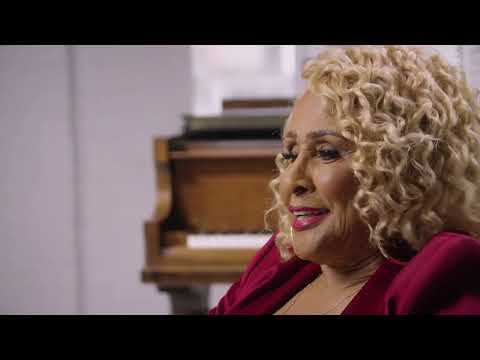
Then everything fell apart when Love became pregnant. Medley begged her not to abort their baby, but she said she feared for her two children from her previous marriage.
"I went on my own with my people and had an abortion," she said. “I had to think about my children. It wasn’t nobody’s fault, you know. I’m saying it wasn’t my fault. It wasn’t his fault, but that was the end, almost like, of me and Bill.”
The abortion led to the end of their relationship, and Love fell into a deep depression.
“There came a time while I was so into this depression after the loss of the baby, that I really did pull on the faith that I thought I had — my faith in God,” she continues. “And little by little, it brought me out of it.”
Though Love's reasons for abortion may have been different, many individuals in the entertainment industry have aborted their children; some were coerced.
Abortion has long been a tool utilized by power players in the entertainment industry. At times, abortion was forced upon starlets to cover up abuse at the hands of executives; at other times, it was because women allegedly could not be seen as 'desirable' or 'sexy' on-screen if they were wives and mothers in real life.
One of the most notorious examples of this is that of Judy Garland, who was coerced into an abortion, even though she was married at the time. She and her husband, composer David Rose, were expecting a baby, but Garland's mother, MGM studio executives, and Rose himself all believed a pregnancy would derail Garland's career and cost them too much money.
When Garland wrote about it, she did so by referring to herself in the third person:
She asked her mother, “Where are we going?”
“Never mind,” she said, “you’ll see.”
They drove for about a half hour and pulled up in front of a dreary little establishment outside of town. Her mother took Judy by the hand, led her inside to a shabby little office.
In a few minutes, David, her mother, and MGM were satisfied.
Other starlets had similar experiences, thanks to “morality clauses” written into their contracts which said an actress wasn't allowed to get pregnant.
Pregnancy would be seen as an announcement to the world that the starlet had been having sex. Some starlets were even barred from getting married, and women who were married (like Ava Gardner to Frank Sinatra and Garland to Rose) were still expected to have abortions if they wanted to keep working.
Gardner is quoted as saying:
“MGM had all sorts of penalty clauses about their stars having babies. If I had one, my salary would be cut off. So how could I make a living?
Frank was broke and my future movies were going to take me all over the world. I couldn’t have a baby with that sort of thing going on. MGM made all the arrangements for me to fly to London.
Someone from the studio was with me all the time. The abortion was hush hush… very discreet.”
Some starlets, like Lana Turner, tried to fight back or resist the coercion, only to be physically held down by force during the abortion. In Turner's case, it was her own mother who did so.
The same could be said of Jean Harlow, whose mother forced her into an abortion at 18, saying, “A child could wait; her career could not.”
Abortion is not empowering, nor necessary for a woman's career to succeed. And as Love's story shows, having an abortion did not improve her life, but made it worse. Women deserve better.
Live Action News is pro-life news and commentary from a pro-life perspective.
Our work is possible because of our donors. Please consider giving to further our work of changing hearts and minds on issues of life and human dignity.
Contact editor@liveaction.org for questions, corrections, or if you are seeking permission to reprint any Live Action News content.
Guest Articles: To submit a guest article to Live Action News, email editor@liveaction.org with an attached Word document of 800-1000 words. Please also attach any photos relevant to your submission if applicable. If your submission is accepted for publication, you will be notified within three weeks. Guest articles are not compensated (see our Open License Agreement). Thank you for your interest in Live Action News!
Sheena Rodriguez
·
Pop Culture
Nancy Flanders
·
Pop Culture
Nancy Flanders
·
Pop Culture
Nancy Flanders
·
Pop Culture
Nancy Flanders
·
Pop Culture
Nancy Flanders
·
International
Cassy Cooke
·
Analysis
Cassy Cooke
·
Issues
Cassy Cooke
·
Investigative
Cassy Cooke
·
Analysis
Cassy Cooke
·R&B star: Abortion ended secret romance with Righteous Brothers singer
Darlene Love, an R&B superstar inducted into the Rock and Roll Hall of Fame in 2011, reportedly had a secret interracial relationship for several years with Righteous Brothers singer Bill Medley, which ended after she had an abortion.
Love and Medley toured together in the 1960s, and kept their interracial relationship a secret due to Jim Crow laws.
Their relationship ended after Love had an abortion, against Medley's wishes.
Love said she went into a "depression after the loss of the baby," referring to her abortion.
Though Love expressed different reasons for her abortion, many women in the entertainment industry have been coerced or forced into abortions.
R&B and soul singer Darlene Love came to fame while singing with popular 1960s girl groups, often working with Phil Spector. Love's work frequently went uncredited, though she was eventually inducted into the Rock and Roll Hall of Fame in 2011.
A new documentary about Love's life, "Darlene Love: I Know Where I've Been" is set for release soon, and premiered on September 13 in the TIFF Docs program at the 2026 Toronto International Film Festival. In the documentary, she opened up about her three-year relationship with Bill Medley, a member of the Righteous Brothers, and the abortion that brought the relationship to an end.
“Bill Medley was somebody we knew before while we were doing background in the good old days because they did [the live-music TV series] Shindig!,” she said in the documentary. “They sounded so Black. I was shocked that they were White. Not just me, everybody.”
Both Love and Medley had been previously married and gotten divorced, and Love, with the girl group The Blossoms, went on tour with The Righteous Brothers as the opening act. Yet due to Jim Crow laws, the couple kept their relationship secret.
“We were together for three years, and nobody really knew except for people who we were traveling with, and we did quiet things. We didn’t want to make no ruffles. We didn’t want to make nobody unsafe when we were in the South," she said, adding, “We started having trouble with the agents and the managers, you know, we can’t let people know that Darlene Love and Bill Medley are having a relationship. We fought to be together: ‘Let’s be together. We don’t care what anybody says.’ So it was real close to getting married.”
Then everything fell apart when Love became pregnant. Medley begged her not to abort their baby, but she said she feared for her two children from her previous marriage.
"I went on my own with my people and had an abortion," she said. “I had to think about my children. It wasn’t nobody’s fault, you know. I’m saying it wasn’t my fault. It wasn’t his fault, but that was the end, almost like, of me and Bill.”
The abortion led to the end of their relationship, and Love fell into a deep depression.
“There came a time while I was so into this depression after the loss of the baby, that I really did pull on the faith that I thought I had — my faith in God,” she continues. “And little by little, it brought me out of it.”
Though Love's reasons for abortion may have been different, many individuals in the entertainment industry have aborted their children; some were coerced.
Abortion has long been a tool utilized by power players in the entertainment industry. At times, abortion was forced upon starlets to cover up abuse at the hands of executives; at other times, it was because women allegedly could not be seen as 'desirable' or 'sexy' on-screen if they were wives and mothers in real life.
One of the most notorious examples of this is that of Judy Garland, who was coerced into an abortion, even though she was married at the time. She and her husband, composer David Rose, were expecting a baby, but Garland's mother, MGM studio executives, and Rose himself all believed a pregnancy would derail Garland's career and cost them too much money.
When Garland wrote about it, she did so by referring to herself in the third person:
She asked her mother, “Where are we going?”
“Never mind,” she said, “you’ll see.”
They drove for about a half hour and pulled up in front of a dreary little establishment outside of town. Her mother took Judy by the hand, led her inside to a shabby little office.
In a few minutes, David, her mother, and MGM were satisfied.
Other starlets had similar experiences, thanks to “morality clauses” written into their contracts which said an actress wasn't allowed to get pregnant.
Pregnancy would be seen as an announcement to the world that the starlet had been having sex. Some starlets were even barred from getting married, and women who were married (like Ava Gardner to Frank Sinatra and Garland to Rose) were still expected to have abortions if they wanted to keep working.
Gardner is quoted as saying:
“MGM had all sorts of penalty clauses about their stars having babies. If I had one, my salary would be cut off. So how could I make a living?
Frank was broke and my future movies were going to take me all over the world. I couldn’t have a baby with that sort of thing going on. MGM made all the arrangements for me to fly to London.
Someone from the studio was with me all the time. The abortion was hush hush… very discreet.”
Some starlets, like Lana Turner, tried to fight back or resist the coercion, only to be physically held down by force during the abortion. In Turner's case, it was her own mother who did so.
The same could be said of Jean Harlow, whose mother forced her into an abortion at 18, saying, “A child could wait; her career could not.”
Abortion is not empowering, nor necessary for a woman's career to succeed. And as Love's story shows, having an abortion did not improve her life, but made it worse. Women deserve better.
Live Action News is pro-life news and commentary from a pro-life perspective.
Our work is possible because of our donors. Please consider giving to further our work of changing hearts and minds on issues of life and human dignity.
Contact editor@liveaction.org for questions, corrections, or if you are seeking permission to reprint any Live Action News content.
Guest Articles: To submit a guest article to Live Action News, email editor@liveaction.org with an attached Word document of 800-1000 words. Please also attach any photos relevant to your submission if applicable. If your submission is accepted for publication, you will be notified within three weeks. Guest articles are not compensated (see our Open License Agreement). Thank you for your interest in Live Action News!
Sheena Rodriguez
·Pop Culture
Nancy Flanders
·Pop Culture
Nancy Flanders
·Pop Culture
Nancy Flanders
·Pop Culture
Nancy Flanders
·Pop Culture
Nancy Flanders
·International
Cassy Cooke
·Analysis
Cassy Cooke
·Issues
Cassy Cooke
·Investigative
Cassy Cooke
·Analysis
Cassy Cooke
·