Read Next
Issues
9 out of 10 Australian parents report discrimination due to pregnancy and parenting
Nancy Flanders
·

 Human Interest·By Nancy Flanders
Canadian actress seeks euthanasia for mental illness. Her doctors are divided
A Canadian actress and comedian is seeking euthanasia through the country's Medical Assistance in Dying (MAiD) law. The New York Times reported that she wants the ability to access assisted death based on her mental health.
Claire Brosseau was diagnosed with multiple mental health concerns when she was just 14 years old.
Now 48, she has been waiting for Canada to open its Medical Assistance in Dying program to individuals solely based on mental illness, but the government has been delaying that planned extension.
She has attempted suicide multiple times and believes dying by euthanasia is her best option.
Brosseau has two psychiatrists. One supports her quest for euthanasia, and the other does not.
She believes she is fighting for her equal rights, but in the pursuit of equality, either no one is allowed to die by assisted suicide, or everyone is.
48-year-old Claire Brosseau was diagnosed with bipolar disorder, an eating disorder, anxiety disorder, personality disorder, substance abuse disorder, and chronic suicidal ideation when she was just 14 years old and experimenting with drinking, drugs, and sex. She is said to have tried 25 medications as well as different therapies, which sometimes helped temporarily relieve her symptoms. Over the years, she has attempted suicide multiple times.
"I don't remember a time in my life that I didn't want to [die]," she told Maclean's. She added, "10 minutes can't go by that I'm not completely tormented."
Yet, she has a life she describes as "an embarrassment of riches" with friends, family, and a flourishing career. But she still wants to die. So when she learned in 2021 that Canada was considering expanding its MAiD laws to include individuals with mental illness, she felt relieved. She believed she had found a pain-free way to kill herself; however, that expansion has yet to happen.
Her psychiatrists, Dr. Gail Robinson and Dr. Mark Fefergrad see her wish to die differently. Robinson approves, saying, “I would love her to change her mind. I would hope that she would not have to do this. But I will support her.”
Fefergrad, however, said, "I believe she can get well. I don't think MAID is the best or only choice for her."
He added, “People get better in ways that we don’t expect — and surprising, unexpected things happen every day. That doesn’t really happen with a big brain cancer.” He wonders, what if Brosseau chooses to die, and then a new medication or treatment arrives that would have helped her? "That weighs on me as a philosophical question," he said.
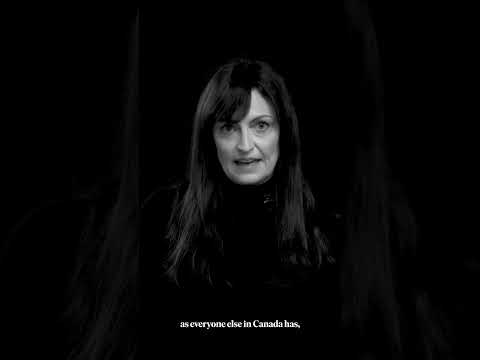
But Brosseau is determined to die, and in August 2024, she joined a legal challenge launched by the euthanasia lobby group, Dying with Dignity, against the legal restriction that prohibits euthanasia for mental illness alone. The lawsuit claims that excluding patients who only suffer from mental illness from undergoing MAiD violates the Canadian Charter of Rights and Freedoms. Dying with Dignity reached out to her, asking if she wanted to join as a second plaintiff in its case. The first plaintiff is a war correspondent suffering from PTSD, and Brosseau immediately agreed to join.
Writing for The New York Times, Stephanie Nolen explained what happened next. "Two physicians [Brosseau] had never met, but who already routinely conducted assessments for people seeking assisted deaths, one of them a psychiatrist, were assigned by the legal team to assess her," she wrote. "Both concluded that she would be eligible under the guidelines for chronic conditions — as a person with an irremediable illness that caused her persistent, intolerable suffering, who had the capacity to make sound medical decisions — if she were not excluded by her diagnosis."
Through the legal case, Brosseau wants to help ensure euthanasia becomes legal for herself and all other individuals with mental illness by March 2027.
According to the Times, the case is still in the courts, but Brosseau has "new energy in her voice" and a "new focus." She said, "The only thing that's keeping me alive is this lawsuit with the government fighting for my equal rights and the equal rights of people with mental illness."
Allowing people to access MAiD based solely on their mental health wouldn't create equality. Under that mindset, there would need to be equal MAiD access for every person, terminally ill, chronically ill, mentally ill, or completely healthy. In the pursuit of equality, either no one is allowed to die by assisted suicide, or everyone is. If Brosseau wins her case, it will only serve to further expand euthanasia access until no one is "discriminated against."
Brosseau has attempted suicide multiple times because suicidal ideation is a symptom of many mental health conditions and affects people's judgment. If she is ultimately approved for assisted death, she would likely die by euthanasia, meaning a doctor would do the actual work of administering the deadly drugs. No one would try to save her. Everyone around her would be forced to watch her die.
But her assisted death might not be as painless as she imagines. Studies have shown that, based on the drugs used, patients can suffer from unseen pain. They receive a paralytic drug, which prevents those around them from seeing any discomfort and makes their death appear peaceful. But some patients have their lungs fill with fluid and essentially drown while paralyzed.
Meanwhile, her death would serve to save the Canadian government money by allowing it to avoid continued treatments and therapies. In Canada, doctors are being pressured to push assisted death for this reason, and patients are being denied medical care but approved for euthanasia. It all boils down to money, not compassion.
It's incomprehensible that suicide prevention groups focus on attempting to save lives from suicide, but that certain people are deemed too far gone or unworthy of saving. When suicide is wrapped up in a legally binding little package, suddenly it's seen as compassionate and dignified. It's not. It's still suicide, and it's still tragic.
Live Action News is pro-life news and commentary from a pro-life perspective.
Our work is possible because of our donors. Please consider giving to further our work of changing hearts and minds on issues of life and human dignity.
Contact editor@liveaction.org for questions, corrections, or if you are seeking permission to reprint any Live Action News content.
Guest Articles: To submit a guest article to Live Action News, email editor@liveaction.org with an attached Word document of 800-1000 words. Please also attach any photos relevant to your submission if applicable. If your submission is accepted for publication, you will be notified within three weeks. Guest articles are not compensated (see our Open License Agreement). Thank you for your interest in Live Action News!
Nancy Flanders
·
Human Interest
Lisa Bast
·
Guest Column
Valerie Abraham
·
Human Interest
Nancy Flanders
·
Guest Column
Kim Hayes
·
Human Interest
Right to Life UK
·
Pop Culture
Nancy Flanders
·
Analysis
Nancy Flanders
·
Pop Culture
Nancy Flanders
·Human Interest
Nancy Flanders
·
Pop Culture
Nancy Flanders
·Human Interest·By Nancy Flanders
Canadian actress seeks euthanasia for mental illness. Her doctors are divided
A Canadian actress and comedian is seeking euthanasia through the country's Medical Assistance in Dying (MAiD) law. The New York Times reported that she wants the ability to access assisted death based on her mental health.
Claire Brosseau was diagnosed with multiple mental health concerns when she was just 14 years old.
Now 48, she has been waiting for Canada to open its Medical Assistance in Dying program to individuals solely based on mental illness, but the government has been delaying that planned extension.
She has attempted suicide multiple times and believes dying by euthanasia is her best option.
Brosseau has two psychiatrists. One supports her quest for euthanasia, and the other does not.
She believes she is fighting for her equal rights, but in the pursuit of equality, either no one is allowed to die by assisted suicide, or everyone is.
48-year-old Claire Brosseau was diagnosed with bipolar disorder, an eating disorder, anxiety disorder, personality disorder, substance abuse disorder, and chronic suicidal ideation when she was just 14 years old and experimenting with drinking, drugs, and sex. She is said to have tried 25 medications as well as different therapies, which sometimes helped temporarily relieve her symptoms. Over the years, she has attempted suicide multiple times.
"I don't remember a time in my life that I didn't want to [die]," she told Maclean's. She added, "10 minutes can't go by that I'm not completely tormented."
Yet, she has a life she describes as "an embarrassment of riches" with friends, family, and a flourishing career. But she still wants to die. So when she learned in 2021 that Canada was considering expanding its MAiD laws to include individuals with mental illness, she felt relieved. She believed she had found a pain-free way to kill herself; however, that expansion has yet to happen.
Her psychiatrists, Dr. Gail Robinson and Dr. Mark Fefergrad see her wish to die differently. Robinson approves, saying, “I would love her to change her mind. I would hope that she would not have to do this. But I will support her.”
Fefergrad, however, said, "I believe she can get well. I don't think MAID is the best or only choice for her."
He added, “People get better in ways that we don’t expect — and surprising, unexpected things happen every day. That doesn’t really happen with a big brain cancer.” He wonders, what if Brosseau chooses to die, and then a new medication or treatment arrives that would have helped her? "That weighs on me as a philosophical question," he said.
But Brosseau is determined to die, and in August 2024, she joined a legal challenge launched by the euthanasia lobby group, Dying with Dignity, against the legal restriction that prohibits euthanasia for mental illness alone. The lawsuit claims that excluding patients who only suffer from mental illness from undergoing MAiD violates the Canadian Charter of Rights and Freedoms. Dying with Dignity reached out to her, asking if she wanted to join as a second plaintiff in its case. The first plaintiff is a war correspondent suffering from PTSD, and Brosseau immediately agreed to join.
Writing for The New York Times, Stephanie Nolen explained what happened next. "Two physicians [Brosseau] had never met, but who already routinely conducted assessments for people seeking assisted deaths, one of them a psychiatrist, were assigned by the legal team to assess her," she wrote. "Both concluded that she would be eligible under the guidelines for chronic conditions — as a person with an irremediable illness that caused her persistent, intolerable suffering, who had the capacity to make sound medical decisions — if she were not excluded by her diagnosis."
Through the legal case, Brosseau wants to help ensure euthanasia becomes legal for herself and all other individuals with mental illness by March 2027.
According to the Times, the case is still in the courts, but Brosseau has "new energy in her voice" and a "new focus." She said, "The only thing that's keeping me alive is this lawsuit with the government fighting for my equal rights and the equal rights of people with mental illness."
Allowing people to access MAiD based solely on their mental health wouldn't create equality. Under that mindset, there would need to be equal MAiD access for every person, terminally ill, chronically ill, mentally ill, or completely healthy. In the pursuit of equality, either no one is allowed to die by assisted suicide, or everyone is. If Brosseau wins her case, it will only serve to further expand euthanasia access until no one is "discriminated against."
Brosseau has attempted suicide multiple times because suicidal ideation is a symptom of many mental health conditions and affects people's judgment. If she is ultimately approved for assisted death, she would likely die by euthanasia, meaning a doctor would do the actual work of administering the deadly drugs. No one would try to save her. Everyone around her would be forced to watch her die.
But her assisted death might not be as painless as she imagines. Studies have shown that, based on the drugs used, patients can suffer from unseen pain. They receive a paralytic drug, which prevents those around them from seeing any discomfort and makes their death appear peaceful. But some patients have their lungs fill with fluid and essentially drown while paralyzed.
Meanwhile, her death would serve to save the Canadian government money by allowing it to avoid continued treatments and therapies. In Canada, doctors are being pressured to push assisted death for this reason, and patients are being denied medical care but approved for euthanasia. It all boils down to money, not compassion.
It's incomprehensible that suicide prevention groups focus on attempting to save lives from suicide, but that certain people are deemed too far gone or unworthy of saving. When suicide is wrapped up in a legally binding little package, suddenly it's seen as compassionate and dignified. It's not. It's still suicide, and it's still tragic.
Live Action News is pro-life news and commentary from a pro-life perspective.
Our work is possible because of our donors. Please consider giving to further our work of changing hearts and minds on issues of life and human dignity.
Contact editor@liveaction.org for questions, corrections, or if you are seeking permission to reprint any Live Action News content.
Guest Articles: To submit a guest article to Live Action News, email editor@liveaction.org with an attached Word document of 800-1000 words. Please also attach any photos relevant to your submission if applicable. If your submission is accepted for publication, you will be notified within three weeks. Guest articles are not compensated (see our Open License Agreement). Thank you for your interest in Live Action News!
Nancy Flanders
·Human Interest
Lisa Bast
·Guest Column
Valerie Abraham
·Human Interest
Nancy Flanders
·Guest Column
Kim Hayes
·Human Interest
Right to Life UK
·Pop Culture
Nancy Flanders
·Analysis
Nancy Flanders
·Pop Culture
Nancy Flanders
·Human Interest
Nancy Flanders
·Pop Culture
Nancy Flanders
·