 Politics
Read Next
Issues
Pro-life groups press CDC for updated abortion and maternal mortality reporting
Bridget Sielicki
·

Judge strikes down portion of pro-life law, says it violates Idaho constitution
A judge in Idaho has ruled that a portion of the state's pro-life law violates the state constitution and said that abortion must be allowed in cases in which there is a serious risk to the mother's health or a high risk that she will harm herself.
The ruling can be appealed.
District Court Judge B. Lynn Winmill ruled that the 14th Amendment's Due Process and Equal Protection clauses allow for the right to an abortion "when a pregnancy threatens the woman's life or health."
The ruling would allow abortion when a woman's health is at risk, or when there is risk that she may self harm.
The heart of the state's pro-life law still stands, even as the judge ruled that, while it may be "troubling" that the state can restrict abortion, the overall law does not violate the state constitution.
On Thursday, U.S. District Court of Idaho Judge B. Lynn Winmill ruled that under the Due Process and Equal Protection clauses of the 14th Amendment, protections include the "narrow but fundamental right to abortion when a pregnancy threatens the woman's life or health."
His decision blocks Idaho Attorney General Raúl Labrador from enforcing a portion of the state's laws protecting the lives of preborn children.
Judge Winmill wrote:
“By banning health-preserving abortion, Idaho attempts to deny this fundamental right on the basis that the threat of harm comes from a fetus, which depends on the woman for survival.
But a pregnant woman’s health is not a state resource to be allocated at the legislature’s whim. The Fourteenth Amendment exists precisely to prevent subjugation like this.”
Dr. Stacy Seyb, who is behind the challenge to the state's pro-life laws, claimed the law prevented him from treating women in high-risk pregnancies and added that the ruling allows him to offer women "the option" of an abortion "without leaving the state."
The problem with the ruling is that Winhill considers abortion — the direct and intentional killing of preborn children — to be "health-preserving."
It is not medically necessary to intentionally end the life of a preborn child to save his or her mother; inducing labor or performing an emergency C-section would serve the same purpose of ending the pregnancy but without intentionally killing the child.
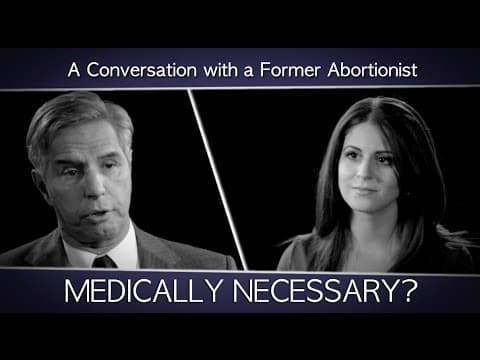
If a child were to die as a result of the delivery intended to save the mother's life, that is not considered an abortion.
Winwill also wrote, “It is an affront to human dignity to bar pregnant women from receiving life-saving care on the basis that the threat comes from a mental health condition, rather than a physical health condition.”
If a pregnant woman is facing a mental health concern that is deemed serious enough to warrant abortion, all efforts should be made to get her appropriate mental health care. An abortion likely won't cure a woman's mental health crisis, and in fact, may add to it.
A report from the American Psychological Association’s (APA) Task Force on Mental Health and Abortion confirmed that post-abortion trauma does exist, stating, “It is clear that some women do experience sadness, grief, and feelings of loss following termination of a pregnancy, and some experience clinically significant disorders, including depression and anxiety.”
Research shows that having a history of mental health concerns is a predictor of psychological distress following an abortion.
Labrador said in a statement emailed to the Idaho Capital Sun:
“Judge Winmill did exactly what the Supreme Court rejected in Dobbs: he legislated from the bench and manufactured a new constitutional right to abortion.
The Supreme Court made clear that abortion policy belongs to the people and their elected representatives, not a single federal judge.
Not only did he ignore Dobbs, he compounded that mistake by ignoring clear precedent stating that district judges lack authority to issue universal injunctions. We will appeal immediately, and we are confident this decision will be overturned.”
Idaho defines abortion as "the use of any means to intentionally terminate the clinically diagnosable pregnancy of a woman with knowledge that the termination by those means will, with reasonable likelihood, cause the death of the unborn child...."
It excludes birth control devices and pills, the removal of a dead preborn child, the treatment of an ectopic or molar pregnancy, and the "treatment of a woman who is no longer pregnant."
In addition, the Idaho Defense of Life Act protects the life of the mother, but not against her own mental health. It states (emphasis added):
The following shall not be considered criminal abortions for purposes of subsection (1) of this section:
(a) The abortion was performed or attempted by a physician as defined in this chapter and:
(i) The physician determined, in his good faith medical judgment and based on the facts known to the physician at the time, that the abortion was necessary to prevent the death of the pregnant woman. No abortion shall be deemed necessary to prevent the death of the pregnant woman because the physician believes that the woman may or will take action to harm herself; and
(ii) The physician performed or attempted to perform the abortion in the manner that, in his good faith medical judgment and based on the facts known to the physician at the time, provided the best opportunity for the unborn child to survive, unless, in his good faith medical judgment, termination of the pregnancy in that manner would have posed a greater risk of the death of the pregnant woman. No such greater risk shall be deemed to exist because the physician believes that the woman may or will take action to harm herself...
It also states:
Medical treatment provided to a pregnant woman by a health care professional as defined in this chapter that results in the accidental death of, or unintentional injury to, the unborn child shall not be a violation of this section.
Despite the ruling, the heart of the state's pro-life law still stands.
Notably, Winhill ruled that it may be "troubling" that the state can protect preborn lives from abortion, but that the overall law does not violate the state constitution.
“It’s important to recognize that the civil cause of action in the Heartbeat law still remains in effect — meaning that any physician who performs an abortion that is prohibited by the Heartbeat law can still be liable for breaking the law,” the Idaho Family Policy Center President Blaine Conzatti said in the press release. “And doctors should take note: The IFPC Legal Center stands ready to hold doctors accountable who illegally perform abortions.”
The judge's ruling can be appealed.
Editor's Note 8/18/26: This article was updated with information on mental health and abortion.
Live Action News is pro-life news and commentary from a pro-life perspective.
Our work is possible because of our donors. Please consider giving to further our work of changing hearts and minds on issues of life and human dignity.
Contact editor@liveaction.org for questions, corrections, or if you are seeking permission to reprint any Live Action News content.
Guest Articles: To submit a guest article to Live Action News, email editor@liveaction.org with an attached Word document of 800-1000 words. Please also attach any photos relevant to your submission if applicable. If your submission is accepted for publication, you will be notified within three weeks. Guest articles are not compensated (see our Open License Agreement). Thank you for your interest in Live Action News!
Bridget Sielicki
·
Politics
Bridget Sielicki
·
Analysis
Cassy Cooke
·
Politics
Nancy Flanders
·
Politics
Mark Wiltz
·
Politics
Nancy Flanders
·
Pop Culture
Nancy Flanders
·
Issues
Nancy Flanders
·
Pop Culture
Nancy Flanders
·Politics
Nancy Flanders
·
Fact Checks
Nancy Flanders
·Judge strikes down portion of pro-life law, says it violates Idaho constitution
A judge in Idaho has ruled that a portion of the state's pro-life law violates the state constitution and said that abortion must be allowed in cases in which there is a serious risk to the mother's health or a high risk that she will harm herself.
The ruling can be appealed.
District Court Judge B. Lynn Winmill ruled that the 14th Amendment's Due Process and Equal Protection clauses allow for the right to an abortion "when a pregnancy threatens the woman's life or health."
The ruling would allow abortion when a woman's health is at risk, or when there is risk that she may self harm.
The heart of the state's pro-life law still stands, even as the judge ruled that, while it may be "troubling" that the state can restrict abortion, the overall law does not violate the state constitution.
On Thursday, U.S. District Court of Idaho Judge B. Lynn Winmill ruled that under the Due Process and Equal Protection clauses of the 14th Amendment, protections include the "narrow but fundamental right to abortion when a pregnancy threatens the woman's life or health."
His decision blocks Idaho Attorney General Raúl Labrador from enforcing a portion of the state's laws protecting the lives of preborn children.
Judge Winmill wrote:
“By banning health-preserving abortion, Idaho attempts to deny this fundamental right on the basis that the threat of harm comes from a fetus, which depends on the woman for survival.
But a pregnant woman’s health is not a state resource to be allocated at the legislature’s whim. The Fourteenth Amendment exists precisely to prevent subjugation like this.”
Dr. Stacy Seyb, who is behind the challenge to the state's pro-life laws, claimed the law prevented him from treating women in high-risk pregnancies and added that the ruling allows him to offer women "the option" of an abortion "without leaving the state."
The problem with the ruling is that Winhill considers abortion — the direct and intentional killing of preborn children — to be "health-preserving."
It is not medically necessary to intentionally end the life of a preborn child to save his or her mother; inducing labor or performing an emergency C-section would serve the same purpose of ending the pregnancy but without intentionally killing the child.
If a child were to die as a result of the delivery intended to save the mother's life, that is not considered an abortion.
Winwill also wrote, “It is an affront to human dignity to bar pregnant women from receiving life-saving care on the basis that the threat comes from a mental health condition, rather than a physical health condition.”
If a pregnant woman is facing a mental health concern that is deemed serious enough to warrant abortion, all efforts should be made to get her appropriate mental health care. An abortion likely won't cure a woman's mental health crisis, and in fact, may add to it.
A report from the American Psychological Association’s (APA) Task Force on Mental Health and Abortion confirmed that post-abortion trauma does exist, stating, “It is clear that some women do experience sadness, grief, and feelings of loss following termination of a pregnancy, and some experience clinically significant disorders, including depression and anxiety.”
Research shows that having a history of mental health concerns is a predictor of psychological distress following an abortion.
Labrador said in a statement emailed to the Idaho Capital Sun:
“Judge Winmill did exactly what the Supreme Court rejected in Dobbs: he legislated from the bench and manufactured a new constitutional right to abortion.
The Supreme Court made clear that abortion policy belongs to the people and their elected representatives, not a single federal judge.
Not only did he ignore Dobbs, he compounded that mistake by ignoring clear precedent stating that district judges lack authority to issue universal injunctions. We will appeal immediately, and we are confident this decision will be overturned.”
Idaho defines abortion as "the use of any means to intentionally terminate the clinically diagnosable pregnancy of a woman with knowledge that the termination by those means will, with reasonable likelihood, cause the death of the unborn child...."
It excludes birth control devices and pills, the removal of a dead preborn child, the treatment of an ectopic or molar pregnancy, and the "treatment of a woman who is no longer pregnant."
In addition, the Idaho Defense of Life Act protects the life of the mother, but not against her own mental health. It states (emphasis added):
The following shall not be considered criminal abortions for purposes of subsection (1) of this section:
(a) The abortion was performed or attempted by a physician as defined in this chapter and:
(i) The physician determined, in his good faith medical judgment and based on the facts known to the physician at the time, that the abortion was necessary to prevent the death of the pregnant woman. No abortion shall be deemed necessary to prevent the death of the pregnant woman because the physician believes that the woman may or will take action to harm herself; and
(ii) The physician performed or attempted to perform the abortion in the manner that, in his good faith medical judgment and based on the facts known to the physician at the time, provided the best opportunity for the unborn child to survive, unless, in his good faith medical judgment, termination of the pregnancy in that manner would have posed a greater risk of the death of the pregnant woman. No such greater risk shall be deemed to exist because the physician believes that the woman may or will take action to harm herself...
It also states:
Medical treatment provided to a pregnant woman by a health care professional as defined in this chapter that results in the accidental death of, or unintentional injury to, the unborn child shall not be a violation of this section.
Despite the ruling, the heart of the state's pro-life law still stands.
Notably, Winhill ruled that it may be "troubling" that the state can protect preborn lives from abortion, but that the overall law does not violate the state constitution.
“It’s important to recognize that the civil cause of action in the Heartbeat law still remains in effect — meaning that any physician who performs an abortion that is prohibited by the Heartbeat law can still be liable for breaking the law,” the Idaho Family Policy Center President Blaine Conzatti said in the press release. “And doctors should take note: The IFPC Legal Center stands ready to hold doctors accountable who illegally perform abortions.”
The judge's ruling can be appealed.
Editor's Note 8/18/26: This article was updated with information on mental health and abortion.
Live Action News is pro-life news and commentary from a pro-life perspective.
Our work is possible because of our donors. Please consider giving to further our work of changing hearts and minds on issues of life and human dignity.
Contact editor@liveaction.org for questions, corrections, or if you are seeking permission to reprint any Live Action News content.
Guest Articles: To submit a guest article to Live Action News, email editor@liveaction.org with an attached Word document of 800-1000 words. Please also attach any photos relevant to your submission if applicable. If your submission is accepted for publication, you will be notified within three weeks. Guest articles are not compensated (see our Open License Agreement). Thank you for your interest in Live Action News!
Bridget Sielicki
·Politics
Bridget Sielicki
·Analysis
Cassy Cooke
·Politics
Nancy Flanders
·Politics
Mark Wiltz
·Politics
Nancy Flanders
·Pop Culture
Nancy Flanders
·Issues
Nancy Flanders
·Pop Culture
Nancy Flanders
·Politics
Nancy Flanders
·Fact Checks
Nancy Flanders
·