 International
Read Next
Human Interest
Pregnant Michigan woman stabbed during domestic dispute
Bridget Sielicki
·

The UK's disturbing double standard regarding adoption and surrogacy
The British government currently bans the adoption of children from Nigeria, citing concerns over trafficking — yet it allows Nigerian women to be used as surrogates for British couples.
British authorities have banned Nigerian adoptions due to fears of human trafficking and corruption within the industry.
However, the British government allows British citizens to purchase the bodies of Nigerian women and use them to carry babies.
Ironically, the concerns surrounding adoption — safeguarding against "child trafficking and corruption" — are highly possible in the surrogacy process.
Pro-surrogacy advocates portray the practice as a compassionate act to create families for couples unable to bear children. However, beneath this euphemistic description lies a disturbing global industry that commodifies human life and the bodies of vulnerable women.
The United Kingdom (UK) outwardly claims to defend the concept of "human rights," yet is guilty of facilitating and enabling its citizens to benefit from the unethical practice of surrogacy.
For example, while the UK bans its citizens from legally adopting babies from African countries like Nigeria, British nationals are permitted to obtain babies through Nigerian surrogates.
Ironically, the UK’s prohibition on direct child adoptions from Nigeria is premised mainly on worries regarding trafficking and corruption in the adoption process.
According to a 2021 document from the UK authorities:
The reason for making the Order is in response to significant child safeguarding concerns about integrity, practices and procedures in the Nigerian intercountry adoption system. This decision is based on evidence received through international partners, including Central Adoption Authorities and diplomatic missions.
There is a pattern of evidence that there are weak safeguards and unreliable documentation within the Nigerian intercountry adoption system which create significant safeguarding risks such as child trafficking and corruption. The information received by the Scottish Government indicates that there are adoption practices and procedures taking place in the Nigerian intercountry adoption system that cause significant risks to the welfare and safeguarding of prospective adoptive children in Nigeria. As such, restrictions are deemed appropriate on the basis that it would be contrary to public policy to further the bringing of these children into the UK. The special restriction requires that any adoption from Nigeria will need to satisfy an exceptions criterion. This is a significant safeguarding measure to improve protection of children adopted from Nigeria and will help ensure adoptions are in the best interests of the child.
At first glance, the UK government’s position seems to be principled, as it purports to safeguard young and vulnerable children from abuse and exploitation. But closer scrutiny exposes the hypocrisy of the UK government with its permissive attitudes toward surrogacy.
Through surrogacy, British parents can obtain a child from a Nigerian woman, transfer parentage through a court order, and bring the child back to the UK. In the eyes of the government, such a process is not regarded as adoption, but instead, as the execution of a contractual arrangement.
This situation then begs the question: if the UK government regards adopting a baby from Nigeria as a trafficking risk, why is paying Nigerian surrogate mothers to carry children to term and surrender their newborns to commissioning couples treated differently?
Notably, the Human Fertilization and Embryology Act 2008 grants UK courts the power to issue parental orders only if strict conditions are met, including the surrogate's consent, a requirement typically challenging to authenticate when the surrogate's identity is concealed. Additionally, UK Home Office immigration officials have articulated their reservations regarding the challenges of assigning parental responsibility and nationality for children born under such surrogacy schemes, further complicating the child's legal status.
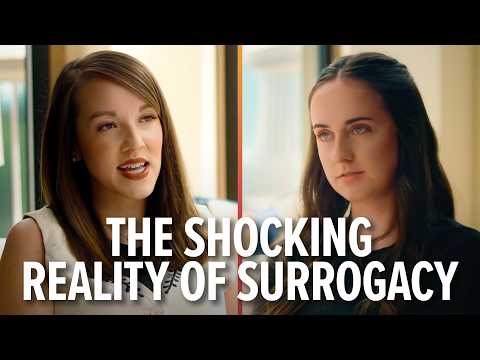
Recently, networks of abuse and exploitation behind the surrogacy trade in Nigeria have been brought into the light.
Dubawa, a Nigerian investigative outlet, found that Nigerian women were lured into surrogacy schemes with claims of financial gain, but without comprehensive details regarding the physical, psychological, and legal ramifications of surrogacy. These surrogacy agencies preyed on vulnerable women in poverty, effectively leveraging their reproductive labor as a market commodity for profit.
Moreover, various surrogacy groups were active on Facebook to target and recruit Nigerian women, mirroring the modus operandi prevalent among human trafficking networks, opportunistically exploiting impoverished women with promises of quick economic opportunities.
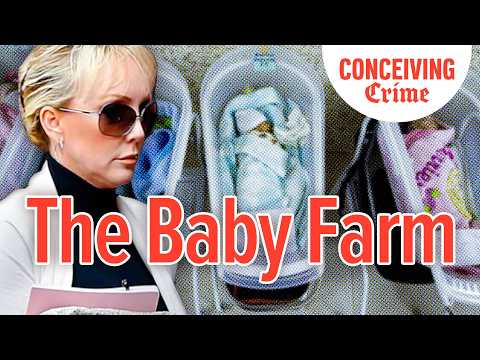
After they signed contracts, despite not knowing or fully understanding the full legal implications of these contracts, these women were at the mercy of surrogacy clinics and agents who treated their wombs as incubators for foreign clients seeking surrogate babies.
Following Dubawa's investigative piece, Facebook removed several of the Nigerian surrogacy groups that functioned as recruiting hubs for surrogate mothers. Nonetheless, the damage had already been done: many UK and other western couples had already managed to circumvent strict ethical or legal regulations in their own countries by outsourcing childbirth to vulnerable and impoverished women.
Platforms like Facebook have been complicit in enabling surrogacy recruiters to operate openly in Nigeria for years, raising questions about their moral accountability in facilitating the global surrogacy trade.
Surrogacy is an example of one of the most serious ethical degradations of the modern age. Surrogacy treats human reproduction not as a sacred and intimate process between a married couple, but as a process to be sub-contracted. Every aspect of surrogacy, particularly in transnational situations, uses and commodifies the women and children involved.
The surrogate mother’s psychological suffering at the separation from the child she carried (to whom she may or may not be biologically related) rarely enters public debates regarding surrogacy. Once the baby is born, the welfare of the surrogate mother often fades into oblivion, even if she is physically affected, emotionally scarred, and socially shunned due to her participation in surrogacy.
In Nigeria, where women already experience immense socio-cultural pressures, such consequences can ruin the lives of surrogate mothers as well as their families, leading to brokenness and alienation.
In view of such realities, the UK cannot claim moral leadership on children’s “rights” while closing an eye to surrogacy. Present British law forbids Nigerian adoption but permits Nigerian surrogacy because it satisfies the desires of UK citizens, effectively outsourcing the commodification of women and children that the UK government refuses to endorse on home ground.
To end such moral inconsistencies and address the problems because of surrogacy, the UK must follow in the footsteps of some of its European neighbors like France to prohibit surrogacy altogether—both at home and abroad.
A total ban would articulate a consistent moral vision: that no human being may be created or carried for sale or transactional purposes; and that no mother may be expected to surrender her child for money.
Only through such moral clarity and legal firmness can the UK truly claim to safeguard vulnerable children and women from commodification and harm.
Live Action News is pro-life news and commentary from a pro-life perspective.
Our work is possible because of our donors. Please consider giving to further our work of changing hearts and minds on issues of life and human dignity.
Contact editor@liveaction.org for questions, corrections, or if you are seeking permission to reprint any Live Action News content.
Guest Articles: To submit a guest article to Live Action News, email editor@liveaction.org with an attached Word document of 800-1000 words. Please also attach any photos relevant to your submission if applicable. If your submission is accepted for publication, you will be notified within three weeks. Guest articles are not compensated (see our Open License Agreement). Thank you for your interest in Live Action News!
Bridget Sielicki
·
International
Bridget Sielicki
·
International
Bridget Sielicki
·
International
Bridget Sielicki
·
Guest Column
Right to Life UK
·
International
Cassy Cooke
·
Human Interest
Angeline Tan
·
International
Angeline Tan
·
Analysis
Angeline Tan
·
Human Interest
Angeline Tan
·
Activism
Angeline Tan
·The UK's disturbing double standard regarding adoption and surrogacy
The British government currently bans the adoption of children from Nigeria, citing concerns over trafficking — yet it allows Nigerian women to be used as surrogates for British couples.
British authorities have banned Nigerian adoptions due to fears of human trafficking and corruption within the industry.
However, the British government allows British citizens to purchase the bodies of Nigerian women and use them to carry babies.
Ironically, the concerns surrounding adoption — safeguarding against "child trafficking and corruption" — are highly possible in the surrogacy process.
Pro-surrogacy advocates portray the practice as a compassionate act to create families for couples unable to bear children. However, beneath this euphemistic description lies a disturbing global industry that commodifies human life and the bodies of vulnerable women.
The United Kingdom (UK) outwardly claims to defend the concept of "human rights," yet is guilty of facilitating and enabling its citizens to benefit from the unethical practice of surrogacy.
For example, while the UK bans its citizens from legally adopting babies from African countries like Nigeria, British nationals are permitted to obtain babies through Nigerian surrogates.
Ironically, the UK’s prohibition on direct child adoptions from Nigeria is premised mainly on worries regarding trafficking and corruption in the adoption process.
According to a 2021 document from the UK authorities:
The reason for making the Order is in response to significant child safeguarding concerns about integrity, practices and procedures in the Nigerian intercountry adoption system. This decision is based on evidence received through international partners, including Central Adoption Authorities and diplomatic missions.
There is a pattern of evidence that there are weak safeguards and unreliable documentation within the Nigerian intercountry adoption system which create significant safeguarding risks such as child trafficking and corruption. The information received by the Scottish Government indicates that there are adoption practices and procedures taking place in the Nigerian intercountry adoption system that cause significant risks to the welfare and safeguarding of prospective adoptive children in Nigeria. As such, restrictions are deemed appropriate on the basis that it would be contrary to public policy to further the bringing of these children into the UK. The special restriction requires that any adoption from Nigeria will need to satisfy an exceptions criterion. This is a significant safeguarding measure to improve protection of children adopted from Nigeria and will help ensure adoptions are in the best interests of the child.
At first glance, the UK government’s position seems to be principled, as it purports to safeguard young and vulnerable children from abuse and exploitation. But closer scrutiny exposes the hypocrisy of the UK government with its permissive attitudes toward surrogacy.
Through surrogacy, British parents can obtain a child from a Nigerian woman, transfer parentage through a court order, and bring the child back to the UK. In the eyes of the government, such a process is not regarded as adoption, but instead, as the execution of a contractual arrangement.
This situation then begs the question: if the UK government regards adopting a baby from Nigeria as a trafficking risk, why is paying Nigerian surrogate mothers to carry children to term and surrender their newborns to commissioning couples treated differently?
Notably, the Human Fertilization and Embryology Act 2008 grants UK courts the power to issue parental orders only if strict conditions are met, including the surrogate's consent, a requirement typically challenging to authenticate when the surrogate's identity is concealed. Additionally, UK Home Office immigration officials have articulated their reservations regarding the challenges of assigning parental responsibility and nationality for children born under such surrogacy schemes, further complicating the child's legal status.
Recently, networks of abuse and exploitation behind the surrogacy trade in Nigeria have been brought into the light.
Dubawa, a Nigerian investigative outlet, found that Nigerian women were lured into surrogacy schemes with claims of financial gain, but without comprehensive details regarding the physical, psychological, and legal ramifications of surrogacy. These surrogacy agencies preyed on vulnerable women in poverty, effectively leveraging their reproductive labor as a market commodity for profit.
Moreover, various surrogacy groups were active on Facebook to target and recruit Nigerian women, mirroring the modus operandi prevalent among human trafficking networks, opportunistically exploiting impoverished women with promises of quick economic opportunities.
After they signed contracts, despite not knowing or fully understanding the full legal implications of these contracts, these women were at the mercy of surrogacy clinics and agents who treated their wombs as incubators for foreign clients seeking surrogate babies.
Following Dubawa's investigative piece, Facebook removed several of the Nigerian surrogacy groups that functioned as recruiting hubs for surrogate mothers. Nonetheless, the damage had already been done: many UK and other western couples had already managed to circumvent strict ethical or legal regulations in their own countries by outsourcing childbirth to vulnerable and impoverished women.
Platforms like Facebook have been complicit in enabling surrogacy recruiters to operate openly in Nigeria for years, raising questions about their moral accountability in facilitating the global surrogacy trade.
Surrogacy is an example of one of the most serious ethical degradations of the modern age. Surrogacy treats human reproduction not as a sacred and intimate process between a married couple, but as a process to be sub-contracted. Every aspect of surrogacy, particularly in transnational situations, uses and commodifies the women and children involved.
The surrogate mother’s psychological suffering at the separation from the child she carried (to whom she may or may not be biologically related) rarely enters public debates regarding surrogacy. Once the baby is born, the welfare of the surrogate mother often fades into oblivion, even if she is physically affected, emotionally scarred, and socially shunned due to her participation in surrogacy.
In Nigeria, where women already experience immense socio-cultural pressures, such consequences can ruin the lives of surrogate mothers as well as their families, leading to brokenness and alienation.
In view of such realities, the UK cannot claim moral leadership on children’s “rights” while closing an eye to surrogacy. Present British law forbids Nigerian adoption but permits Nigerian surrogacy because it satisfies the desires of UK citizens, effectively outsourcing the commodification of women and children that the UK government refuses to endorse on home ground.
To end such moral inconsistencies and address the problems because of surrogacy, the UK must follow in the footsteps of some of its European neighbors like France to prohibit surrogacy altogether—both at home and abroad.
A total ban would articulate a consistent moral vision: that no human being may be created or carried for sale or transactional purposes; and that no mother may be expected to surrender her child for money.
Only through such moral clarity and legal firmness can the UK truly claim to safeguard vulnerable children and women from commodification and harm.
Live Action News is pro-life news and commentary from a pro-life perspective.
Our work is possible because of our donors. Please consider giving to further our work of changing hearts and minds on issues of life and human dignity.
Contact editor@liveaction.org for questions, corrections, or if you are seeking permission to reprint any Live Action News content.
Guest Articles: To submit a guest article to Live Action News, email editor@liveaction.org with an attached Word document of 800-1000 words. Please also attach any photos relevant to your submission if applicable. If your submission is accepted for publication, you will be notified within three weeks. Guest articles are not compensated (see our Open License Agreement). Thank you for your interest in Live Action News!
Bridget Sielicki
·International
Bridget Sielicki
·International
Bridget Sielicki
·International
Bridget Sielicki
·Guest Column
Right to Life UK
·International
Cassy Cooke
·Human Interest
Angeline Tan
·International
Angeline Tan
·Analysis
Angeline Tan
·Human Interest
Angeline Tan
·Activism
Angeline Tan
·