 Human Interest
Read Next
Analysis
Florida man jailed for stabbing and choking pregnant girlfriend
Bridget Sielicki
·

Sarah fought for life when she survived abortion. Now, she fights for it in another way.
For Sarah Zagorski, life holds a profound significance — and her perspective is deeply shaped by the fact that she is an abortion survivor. The reality that her life was nearly snuffed out before birth grants every moment a special meaning in her eyes. Eventually, she learned the circumstances that compelled her mother to choose abortion.
Sarah Zagorski's mother became pregnant by an employer while separated from her abusive husband. That man discarded her when he learned she was pregnant.
This was her mother's seventh pregnancy, and she had already had two previous abortions when she visited an abortionist who attempted to perform an induction abortion at 26.5 weeks.
The abortion failed, and Zagorski was born alive — breech and deprived of oxygen. The doctor wanted her mother to let her to die on the table, but her mother insisted on care. Zagorski was hospitalized.
Upon release from the hospital, she was in an unhealthy, abusive environment, and was in and out of foster care before her adoption at approximately nine years old.
Today, Zagorski serves in the pro-life movement.
Zagorski told Live Action News, “My mother’s story began when she fled Honduras to escape a violent father. She came to America, learned English and married my stepfather who was also abusive. It was during a separation from him that she became pregnant with me while working as a maid for a physician — the man who is my biological father.”
At the time, Zagorski’s mother already had two previous abortions, and Zagorski was her seventh pregnancy.
“She had pretty much lived in poverty most of her life,” Zagorski said. “She didn’t have consistent work. While she grieved her two abortions, she was in a crisis state and suffered from mental illness. My stepfather wasn’t a good provider which added to her stress.”
When she went to work for the physician, Zagorski’s mother saw in him the security she had never attained – and never would.
“My biological father didn’t want anything to do with her once he found out she was pregnant," Zagorski said. "So, she returned to my stepfather and found a doctor who committed abortions on poor, minority women.”
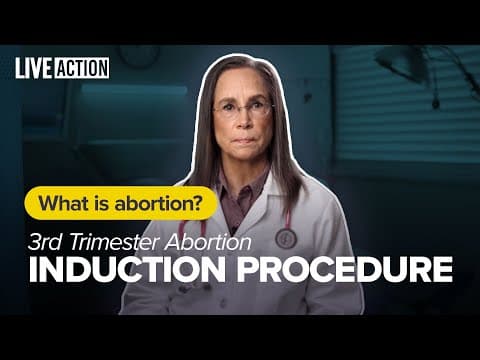
At 26 and a half weeks into her pregnancy, Zagorski’s mother underwent an induction abortion procedure.
Being nearly in the third trimester and facing immense personal challenges, her decision was influenced by her difficult circumstances and mental state at the time.
“I was born breech and had been without oxygen,” Zagorski said. “The doctor, who was under medical review for a prior botched abortion, encouraged my mother to let me die on the table, but my mother threatened to sue him if he didn’t provide medical assistance.”
Zagorski was transferred to the trauma birth wing at Children’s Hospital in New Orleans where she recovered and later went home to an unstable environment, contracting tuberculous at 16 months.
“I went into treatment and was on medication for over a year,” Zagorski said. “At that time, I also went into foster care but later returned home, where my mother had given birth to three more children.”
Zagorski's early childhood was marked by instability, financial hardship and abuse. Her mother, burdened by mental illness and browbeaten by a life of domestic violence and poverty, failed to protect Zagorski or provide her with the essential love and safety she and her siblings required.
When she was five years old, Zagorski returned to her foster parents. Four years later, the state terminated her mother’s rights, and she was adopted.
“My foster parents were wonderful,” Zagorski said. “I was the only child living with them – they were unable to have children of their own. I went back and forth living with my mother and my foster parents. Even when I was living with my biological mother, my foster mother still had a vested interest in my welfare. My life changed for the better once I was adopted.”
Zagorski believes she would not have survived if she hadn’t been adopted.
“I suffered a life of physical and sexual abuse at the hands of my older siblings and stepfather,” Zagorski said. “My other siblings also suffered trauma and were in foster care or group homes.”
After adoption, Zagorski maintained a complex relationship with her biological mother.
While Zagorski struggled to forgive her mother for allowing her abuse, she was also grateful that her mother saved her life after birth.
Zagorski told Live Action News:
“It took me a long time to forgive her. But I see now how her social problems dominated her life. Still, I’m blessed to have had such loving adoptive parents, and I wouldn’t have had that experience had my mother not had the courage to stand up to the doctor and insist on life-saving care.”
Despite her mother’s mistakes, she can see how fear can lead a woman to abortion by making false promises of a better life:
“For my mother, choosing abortion never improved her life in any way. I think it’s disgusting that the abortion industry preys on poor minority women who are already suffering from mental health decline.
These women are often easy to sway with the promise that terminating a pregnancy will lead to a better outcome.”
Zagorski notes how adoption offered her redemption and the love and care that helped shape her life:
“It’s easy to dehumanize my life because of my earlier experiences and think I would have been better off if I hadn’t lived. But poor parenting, poverty and abuse are never solved by abortion.”
Over time, Zagorski was able to connect with her brother, with whom she shares the same biological father.
Despite the challenges she faced throughout her childhood, she continues to maintain close relationships with her adoptive parents as well as her biological family. These bonds reflect the complexity of her family history and underscore her commitment to honoring the significant roles each has played in her life.
After graduating from college with a degree in Communications and Biblical Studies, Zagorski worked for several pro-life organizations — and today, she serves as Senior Director of Public Relations and Communications for Americans United for Life.
Zagorski's decision to join the pro-life movement was deeply personal, and she initially hesitated to become involved because of how close the issue is to her own experiences.
"I joined the pro-life movement because I felt my voice mattered, though I hesitated at first since it was a personal issue," she said. "But I ultimately recognized that my perspective and story could have a meaningful impact.”
Editor's Note, 4/1/26: This article originally stated "third trimester." This has been changed to "late-term" as 26.5 weeks is just shy of the third trimester.
Live Action News is pro-life news and commentary from a pro-life perspective.
Our work is possible because of our donors. Please consider giving to further our work of changing hearts and minds on issues of life and human dignity.
Contact editor@liveaction.org for questions, corrections, or if you are seeking permission to reprint any Live Action News content.
Guest Articles: To submit a guest article to Live Action News, email editor@liveaction.org with an attached Word document of 800-1000 words. Please also attach any photos relevant to your submission if applicable. If your submission is accepted for publication, you will be notified within three weeks. Guest articles are not compensated (see our Open License Agreement). Thank you for your interest in Live Action News!
Bridget Sielicki
·
Guest Column
Ashley Murphy
·
Human Interest
Cassy Cooke
·
Human Interest
Bridget Sielicki
·
Guest Column
Kelsey Lebo
·
Human Interest
Bridget Sielicki
·
Human Interest
Lisa Bast
·
Activism
Lisa Bast
·
Human Interest
Lisa Bast
·
Human Interest
Lisa Bast
·
Human Interest
Lisa Bast
·Sarah fought for life when she survived abortion. Now, she fights for it in another way.
For Sarah Zagorski, life holds a profound significance — and her perspective is deeply shaped by the fact that she is an abortion survivor. The reality that her life was nearly snuffed out before birth grants every moment a special meaning in her eyes. Eventually, she learned the circumstances that compelled her mother to choose abortion.
Sarah Zagorski's mother became pregnant by an employer while separated from her abusive husband. That man discarded her when he learned she was pregnant.
This was her mother's seventh pregnancy, and she had already had two previous abortions when she visited an abortionist who attempted to perform an induction abortion at 26.5 weeks.
The abortion failed, and Zagorski was born alive — breech and deprived of oxygen. The doctor wanted her mother to let her to die on the table, but her mother insisted on care. Zagorski was hospitalized.
Upon release from the hospital, she was in an unhealthy, abusive environment, and was in and out of foster care before her adoption at approximately nine years old.
Today, Zagorski serves in the pro-life movement.
Zagorski told Live Action News, “My mother’s story began when she fled Honduras to escape a violent father. She came to America, learned English and married my stepfather who was also abusive. It was during a separation from him that she became pregnant with me while working as a maid for a physician — the man who is my biological father.”
At the time, Zagorski’s mother already had two previous abortions, and Zagorski was her seventh pregnancy.
“She had pretty much lived in poverty most of her life,” Zagorski said. “She didn’t have consistent work. While she grieved her two abortions, she was in a crisis state and suffered from mental illness. My stepfather wasn’t a good provider which added to her stress.”
When she went to work for the physician, Zagorski’s mother saw in him the security she had never attained – and never would.
“My biological father didn’t want anything to do with her once he found out she was pregnant," Zagorski said. "So, she returned to my stepfather and found a doctor who committed abortions on poor, minority women.”
At 26 and a half weeks into her pregnancy, Zagorski’s mother underwent an induction abortion procedure.
Being nearly in the third trimester and facing immense personal challenges, her decision was influenced by her difficult circumstances and mental state at the time.
“I was born breech and had been without oxygen,” Zagorski said. “The doctor, who was under medical review for a prior botched abortion, encouraged my mother to let me die on the table, but my mother threatened to sue him if he didn’t provide medical assistance.”
Zagorski was transferred to the trauma birth wing at Children’s Hospital in New Orleans where she recovered and later went home to an unstable environment, contracting tuberculous at 16 months.
“I went into treatment and was on medication for over a year,” Zagorski said. “At that time, I also went into foster care but later returned home, where my mother had given birth to three more children.”
Zagorski's early childhood was marked by instability, financial hardship and abuse. Her mother, burdened by mental illness and browbeaten by a life of domestic violence and poverty, failed to protect Zagorski or provide her with the essential love and safety she and her siblings required.
When she was five years old, Zagorski returned to her foster parents. Four years later, the state terminated her mother’s rights, and she was adopted.
“My foster parents were wonderful,” Zagorski said. “I was the only child living with them – they were unable to have children of their own. I went back and forth living with my mother and my foster parents. Even when I was living with my biological mother, my foster mother still had a vested interest in my welfare. My life changed for the better once I was adopted.”
Zagorski believes she would not have survived if she hadn’t been adopted.
“I suffered a life of physical and sexual abuse at the hands of my older siblings and stepfather,” Zagorski said. “My other siblings also suffered trauma and were in foster care or group homes.”
After adoption, Zagorski maintained a complex relationship with her biological mother.
While Zagorski struggled to forgive her mother for allowing her abuse, she was also grateful that her mother saved her life after birth.
Zagorski told Live Action News:
“It took me a long time to forgive her. But I see now how her social problems dominated her life. Still, I’m blessed to have had such loving adoptive parents, and I wouldn’t have had that experience had my mother not had the courage to stand up to the doctor and insist on life-saving care.”
Despite her mother’s mistakes, she can see how fear can lead a woman to abortion by making false promises of a better life:
“For my mother, choosing abortion never improved her life in any way. I think it’s disgusting that the abortion industry preys on poor minority women who are already suffering from mental health decline.
These women are often easy to sway with the promise that terminating a pregnancy will lead to a better outcome.”
Zagorski notes how adoption offered her redemption and the love and care that helped shape her life:
“It’s easy to dehumanize my life because of my earlier experiences and think I would have been better off if I hadn’t lived. But poor parenting, poverty and abuse are never solved by abortion.”
Over time, Zagorski was able to connect with her brother, with whom she shares the same biological father.
Despite the challenges she faced throughout her childhood, she continues to maintain close relationships with her adoptive parents as well as her biological family. These bonds reflect the complexity of her family history and underscore her commitment to honoring the significant roles each has played in her life.
After graduating from college with a degree in Communications and Biblical Studies, Zagorski worked for several pro-life organizations — and today, she serves as Senior Director of Public Relations and Communications for Americans United for Life.
Zagorski's decision to join the pro-life movement was deeply personal, and she initially hesitated to become involved because of how close the issue is to her own experiences.
"I joined the pro-life movement because I felt my voice mattered, though I hesitated at first since it was a personal issue," she said. "But I ultimately recognized that my perspective and story could have a meaningful impact.”
Editor's Note, 4/1/26: This article originally stated "third trimester." This has been changed to "late-term" as 26.5 weeks is just shy of the third trimester.
Live Action News is pro-life news and commentary from a pro-life perspective.
Our work is possible because of our donors. Please consider giving to further our work of changing hearts and minds on issues of life and human dignity.
Contact editor@liveaction.org for questions, corrections, or if you are seeking permission to reprint any Live Action News content.
Guest Articles: To submit a guest article to Live Action News, email editor@liveaction.org with an attached Word document of 800-1000 words. Please also attach any photos relevant to your submission if applicable. If your submission is accepted for publication, you will be notified within three weeks. Guest articles are not compensated (see our Open License Agreement). Thank you for your interest in Live Action News!
Bridget Sielicki
·Guest Column
Ashley Murphy
·Human Interest
Cassy Cooke
·Human Interest
Bridget Sielicki
·Guest Column
Kelsey Lebo
·Human Interest
Bridget Sielicki
·Human Interest
Lisa Bast
·Activism
Lisa Bast
·Human Interest
Lisa Bast
·Human Interest
Lisa Bast
·Human Interest
Lisa Bast
·