Read Next
Analysis
'The Death Wish Beneath the Language': Expert uncovers truth behind assisted dying
Angeline Tan
·

 Human Interest·By Bridget Sielicki
New dad says pregnant wife and baby saved his life after cardiac arrest
A new father in the United Kingdom credits his pregnant wife with saving his life after cardiac arrest — and his newborn for helping him recover from the brink of death.
Sam King went into sudden cardiac arrest when his wife, Emma, was 39 weeks pregnant.
Emma immediately performed CPR and is credited with saving Sam's life.
She gave birth three days later to a daughter, Sophie.
After being introduced to Sophie, Sam cried — his first cognitive response since his medical event.
Sam and Emma King visited This Morning to detail their surreal experience.
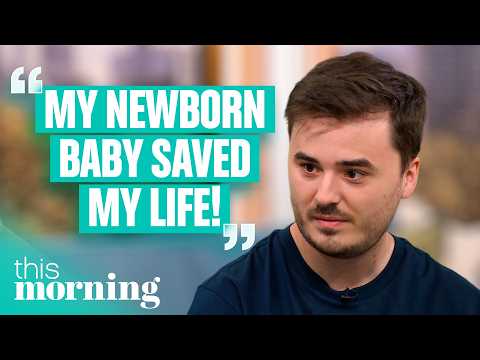
Sam said he had a completely normal day, which included going for a run and visiting a pub, before going to bed as usual. However, around 4:00 a.m. the next morning, his heart suddenly stopped.
Thankfully, Emma, who was 39 weeks pregnant and having trouble sleeping, was awake to realize something terrible had happened.
“He’s, like, gasping for breath, like three huge gasps, and then his eyes go to the back of his head,” Emma explained, noting she had briefly spoken to Sam just 10 minutes earlier.
Because she had her phone handy, Emma was quickly able to call for emergency assistance. A dispatcher walked her through how to perform CPR, which she managed for 15 minutes before an ambulance arrived.
Emergency responders then worked for two hours to get Sam's heart beating again.
"My heart stopped for two hours," Sam said. “They managed an ultrasound, and it’s one of the things that meant they kept going, because they could see it was fluttering,” he explained, saying his heart “wasn’t producing a pulse or any kind of blood pressure, but it was still... there was something going on."
"That’s one of the reasons they didn’t call it,” he shared. “They said, quite bluntly, they would have called if it wasn’t for that.”
The on-call doctor, Edward Langford, told the BBC that Sam's prognosis wasn't good.
"A downtime of almost two hours usually means the outcome is unlikely to be survivable, or only survivable with the patient suffering life-changing effects," Langford said. "So I think we all hoped for the best, but were fearing the worst."
After he arrived at the hospital, Emma was told Sam was "probably the third or fourth sickest person in the country.”
He was placed in a medically induced coma, but doctors were unsure of the extent of his brain activity or cognitive understanding.
"We didn't know, and no one could really tell us, what sort of condition Sam might be in if he were to come out of his induced coma and survive," Emma says. "We just had to wait and hope."
At nine months pregnant, Emma said her focus throughout the ordeal was to remain calm, so that their baby, Sophie, would be ok.
“Because I was so pregnant, I just had to stay calm because I didn’t want anything to obviously happen to Sophie,” she said, noting that she was relieved when she felt baby Sophie kick the next morning, reassured that all was well.
Emma gave birth three days later, in the same London hospital where Sam was being treated. Doctors had been slowly lowering Sam’s level of sedation, however, Emma explained, “We still didn’t know if there was like any brain activity and and cognitive understanding at that point.”
She brought Sophie to meet Sam, who, by this point, was lying unresponsive with his eyes open.
"When the midwife held Sophie in front of his eyes, he actually had tears coming out of them," Emma said. "We just knew that he knew that Sophie was born — so we knew that there was some cognitive function there."
"It was the craziest experience of my life," she told This Morning.
Sam explained that he “half-remembered” it, saying, “It’s kind of like almost like a dream.”
Sam credited Emma's knowledge of CPR for saving his life, an acknowledgement that was echoed by the dispatcher on the other end of the line, Sarah Smith.
"It was only by her quick actions in immediately starting CPR that ultimately gave Sam the chance of surviving once all the additional help arrived," Smith told the BBC.
The family also believes that Sophie's arrival pushed him to get well.
"It was perfect," Emma said. "He knew exactly who Sophie was, and I think that really helped."
Sam is now healthy, and doctors are running tests to figure out why his heart suddenly stopped.
He was give a defibrillator “should anything happen again,” but he has otherwise returned to life as "normal."
He noted that a diagnosis would be "more for Sophie" so that she and other family members may be prepared in the future.
Live Action News is pro-life news and commentary from a pro-life perspective.
Our work is possible because of our donors. Please consider giving to further our work of changing hearts and minds on issues of life and human dignity.
Contact editor@liveaction.org for questions, corrections, or if you are seeking permission to reprint any Live Action News content.
Guest Articles: To submit a guest article to Live Action News, email editor@liveaction.org with an attached Word document of 800-1000 words. Please also attach any photos relevant to your submission if applicable. If your submission is accepted for publication, you will be notified within three weeks. Guest articles are not compensated (see our Open License Agreement). Thank you for your interest in Live Action News!
Angeline Tan
·
Human Interest
Angeline Tan
·
Human Interest
Right to Life UK
·
Human Interest
Lisa Bast
·
Guest Column
Ashley Murphy
·
Human Interest
Cassy Cooke
·
International
Bridget Sielicki
·
Abortion Pill
Bridget Sielicki
·
Analysis
Bridget Sielicki
·
Activism
Bridget Sielicki
·
Abortion Pill
Bridget Sielicki
·Human Interest·By Bridget Sielicki
New dad says pregnant wife and baby saved his life after cardiac arrest
A new father in the United Kingdom credits his pregnant wife with saving his life after cardiac arrest — and his newborn for helping him recover from the brink of death.
Sam King went into sudden cardiac arrest when his wife, Emma, was 39 weeks pregnant.
Emma immediately performed CPR and is credited with saving Sam's life.
She gave birth three days later to a daughter, Sophie.
After being introduced to Sophie, Sam cried — his first cognitive response since his medical event.
Sam and Emma King visited This Morning to detail their surreal experience.
Sam said he had a completely normal day, which included going for a run and visiting a pub, before going to bed as usual. However, around 4:00 a.m. the next morning, his heart suddenly stopped.
Thankfully, Emma, who was 39 weeks pregnant and having trouble sleeping, was awake to realize something terrible had happened.
“He’s, like, gasping for breath, like three huge gasps, and then his eyes go to the back of his head,” Emma explained, noting she had briefly spoken to Sam just 10 minutes earlier.
Because she had her phone handy, Emma was quickly able to call for emergency assistance. A dispatcher walked her through how to perform CPR, which she managed for 15 minutes before an ambulance arrived.
Emergency responders then worked for two hours to get Sam's heart beating again.
"My heart stopped for two hours," Sam said. “They managed an ultrasound, and it’s one of the things that meant they kept going, because they could see it was fluttering,” he explained, saying his heart “wasn’t producing a pulse or any kind of blood pressure, but it was still... there was something going on."
"That’s one of the reasons they didn’t call it,” he shared. “They said, quite bluntly, they would have called if it wasn’t for that.”
The on-call doctor, Edward Langford, told the BBC that Sam's prognosis wasn't good.
"A downtime of almost two hours usually means the outcome is unlikely to be survivable, or only survivable with the patient suffering life-changing effects," Langford said. "So I think we all hoped for the best, but were fearing the worst."
After he arrived at the hospital, Emma was told Sam was "probably the third or fourth sickest person in the country.”
He was placed in a medically induced coma, but doctors were unsure of the extent of his brain activity or cognitive understanding.
"We didn't know, and no one could really tell us, what sort of condition Sam might be in if he were to come out of his induced coma and survive," Emma says. "We just had to wait and hope."
At nine months pregnant, Emma said her focus throughout the ordeal was to remain calm, so that their baby, Sophie, would be ok.
“Because I was so pregnant, I just had to stay calm because I didn’t want anything to obviously happen to Sophie,” she said, noting that she was relieved when she felt baby Sophie kick the next morning, reassured that all was well.
Emma gave birth three days later, in the same London hospital where Sam was being treated. Doctors had been slowly lowering Sam’s level of sedation, however, Emma explained, “We still didn’t know if there was like any brain activity and and cognitive understanding at that point.”
She brought Sophie to meet Sam, who, by this point, was lying unresponsive with his eyes open.
"When the midwife held Sophie in front of his eyes, he actually had tears coming out of them," Emma said. "We just knew that he knew that Sophie was born — so we knew that there was some cognitive function there."
"It was the craziest experience of my life," she told This Morning.
Sam explained that he “half-remembered” it, saying, “It’s kind of like almost like a dream.”
Sam credited Emma's knowledge of CPR for saving his life, an acknowledgement that was echoed by the dispatcher on the other end of the line, Sarah Smith.
"It was only by her quick actions in immediately starting CPR that ultimately gave Sam the chance of surviving once all the additional help arrived," Smith told the BBC.
The family also believes that Sophie's arrival pushed him to get well.
"It was perfect," Emma said. "He knew exactly who Sophie was, and I think that really helped."
Sam is now healthy, and doctors are running tests to figure out why his heart suddenly stopped.
He was give a defibrillator “should anything happen again,” but he has otherwise returned to life as "normal."
He noted that a diagnosis would be "more for Sophie" so that she and other family members may be prepared in the future.
Live Action News is pro-life news and commentary from a pro-life perspective.
Our work is possible because of our donors. Please consider giving to further our work of changing hearts and minds on issues of life and human dignity.
Contact editor@liveaction.org for questions, corrections, or if you are seeking permission to reprint any Live Action News content.
Guest Articles: To submit a guest article to Live Action News, email editor@liveaction.org with an attached Word document of 800-1000 words. Please also attach any photos relevant to your submission if applicable. If your submission is accepted for publication, you will be notified within three weeks. Guest articles are not compensated (see our Open License Agreement). Thank you for your interest in Live Action News!
Angeline Tan
·Human Interest
Angeline Tan
·Human Interest
Right to Life UK
·Human Interest
Lisa Bast
·Guest Column
Ashley Murphy
·Human Interest
Cassy Cooke
·International
Bridget Sielicki
·Abortion Pill
Bridget Sielicki
·Analysis
Bridget Sielicki
·Activism
Bridget Sielicki
·Abortion Pill
Bridget Sielicki
·