Read Next
Politics
Lawsuit against pro-life law in Arkansas allowed to proceed
Bridget Sielicki
·

 Human Interest·By Angeline Tan
Australian neonatologist: 'Do no harm' means advocating for both mother and preborn baby
According to Dr. Melissa Lai, a neonatologist by training, modern maternity care in Australia has drifted from its foundational responsibility: caring for both a mother and her preborn child.
Lai is the Director of Pro-Life Health Professionals Australia (PHPA), which she said was established after the realization that "Australia’s abortion laws had become amongst the most extreme in the world.” As she told Live Action News, she and her colleagues noticed a “cultural push to override the conscience of health professionals who didn’t want to participate or refer for abortions.”
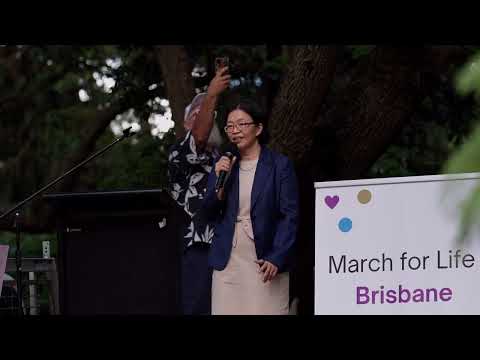
Neonatologist Dr. Melissa Lai, the director of Pro-Life Health Professionals Australia, is concerned with a growing pressure upon medical professionals in the country to participate in abortion.
PHPA characterizes itself as Australia’s national peak body for health professionals who champion care that safeguards both the pregnant mother and her preborn baby.
Lai says that often, families are directed toward abortion as the expected response to disability or poor prognosis without being offered life-affirming alternatives. This, she said, makes parents feel like if they don't choose abortion, they are "making the wrong decision."
PHPA has been vocal about defending babies who are born alive during abortions, stating that they should receive proper medical care.
The organization hopes to set up a high-quality reproductive and maternity care option for women without elective abortion.
PHPA wants to empower the next generation to survive professionally without ditching their convictions. Many have felt pressured to leave medical professions altogether due to the extensive pressure to participate in abortion.
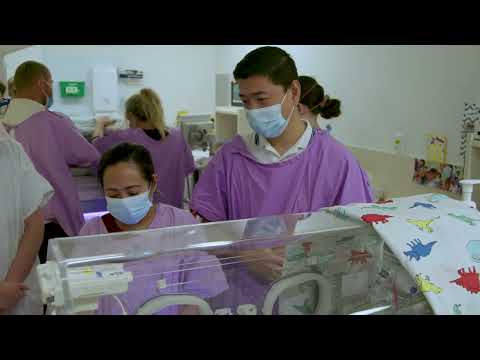
Since starting her specialized training in 2006 caring for newborns who are premature, critically ill, or medically fragile, she has worked in a setting where tiny differences in weight, breathing, and gestational age can determine a baby’s ability to survive. Her work begins where many abortion debates end: beside a newborn fighting for life.
Daily encounters with vulnerable new lives, whose survival typically hinges on swift decisions and skilled intervention, have informed how Dr. Lai views preborn children.
The difference between a preborn baby and a newborn in intensive care is not a moral boundary, she says. It is simply one of location and stages of development. A baby in the nursery is vulnerable, dependent, and worthy of care; the child still in the womb, she contended, is equally human and equally deserving of protection.
This belief inspired Dr. Lai and her colleagues to set up PHPA after seeing the work of the American Association of Pro-Life Obstetricians and Gynecologists (AAPLOG) in the United States. They believed Australia also needed a professional organization committed to promoting life-affirming medicine and supporting clinicians facing pressure over their consciences.
Established in 2024, PHPA characterizes itself as Australia’s national peak body for health professionals who champion care that safeguards both the pregnant mother and her preborn baby.
The group’s guiding slogan — “Safeguarding Two Patients. One Standard of Care” — encapsulates its central conviction: every decision made during pregnancy should take both the mother and her preborn baby into account. Pregnancy care should never treat the child as a problem to be eradicated.
Dr. Lai disclosed that often, families are directed toward abortion as the expected response to disability, an uncertain outlook, or a poor prognosis, instead of being given a full array of life-affirming alternatives.
“A medical diagnosis of a baby in utero should receive appropriate medical care for their condition,” she divulged. “Too often, elective termination is offered as the only option, or strongly advised, to the point where parents who want to advocate for life for their children are left feeling like they’re somehow making the wrong decision.”
Perinatal palliative care is crucial for families who receive the news that a baby isn't likely to survive: support centered on comfort, dignity, family well-being, and making the most of whatever time remains. For children with serious, life-limiting (but not immediately fatal) conditions, she affirmed that parents should receive care aligned with the baby’s real medical needs, rather than being directed toward abortion.
In addition, she has seen how abortion can worsen a family’s grief rather than ease it.
“Parents often don’t allow themselves to grieve the loss of their child because they’ve electively contributed to the decision,” she said.
Dr. Lai pointed out that Australia has witnessed dramatic changes in its abortion laws in recent years, with each state and territory legislating separately on health matters.
According to her, in practical terms, this means abortion remains legally available throughout pregnancy, although later procedures generally require the approval of two doctors. The exact gestational threshold differs from one state or territory to another.
“There are reports that babies are being electively terminated when they are viable and could be delivered alive,” she revealed. “Since the legislation changed, there has been an increased number of babies terminated after viability through feticide.”
PHPA has even had to speak out strongly in defense of infants who are born alive during abortion procedures.
In its 2024 submission to the Queensland parliamentary inquiry into the Termination of Pregnancy (Live Births) Amendment Bill, Dr. Lai stated that every newborn showing signs of life should be given appropriate care, either active treatment or palliative support, regardless of how the birth came about.
“Any baby born with signs of life as a result of a termination of pregnancy, irrespective of gestation or condition, must be afforded the right of dignity, maintenance of privacy, and physical comfort whilst signs of life exist,” PHPA outlined in its response to the committee.
Looking past the law itself, Dr. Lai is troubled by the atmosphere within medical settings such as hospitals, clinics, and professional training.
She sees that clinicians who hold conscientious objections to abortion are under growing pressure to participate in it, direct patients toward it, or keep their views to themselves.
PHPA, she said, has been contacted by midwives who were told to formally opt out when public hospitals began offering new abortion services. A number of them did so. Others, worried about repercussions for their careers, went along with it and later grappled with the emotional toll. She told Live Action News:
“Most health professionals, especially midwives, don’t feel empowered enough to opt out because they fear it might have repercussions in terms of being overlooked for promotions or being treated differently at work. They often stay silent, participate, and then experience moral distress as a result.
There’s evidence, especially for termination at later gestations, midwives are struggling with the negative impacts on their mental health. We’ve heard that midwives are being overlooked for promotions if they object to participating.”
Freedom of conscience, says Dr. Lai, "means being able to disagree with a procedure and not be made to participate directly or indirectly — that is, refer — or perceive any work-related repercussions as a result."
PHPA provides clinicians who feel isolated with a range of support, including mentoring, confidential guidance, professional networking, conferences, webinars, and clinical resources.
Its goal is to ensure that doctors, nurses, midwives, and allied health workers who hold pro-life beliefs are not left to navigate those beliefs on their own.
Dr. Lai is clear that there is a difference between elective abortion (intentional killing) and an urgent medical intervention when a pregnancy complication puts the mother’s life at risk.
“The cases where a mother has developed a complication from her pregnancy and she needs a procedure to imminently end that pregnancy in order to save her life — even if, in doing so, a pre-viable baby cannot be saved — that’s standard practice and unavoidable,” she said. “Ending a baby’s life is never the primary intent.”
Additionally, Dr. Lai contends that the distinction is crucial because pro-life medicine does not disregard women’s welfare. It maintains that a mother confronted with sepsis, severe pre-eclampsia, hemorrhage, or any other crisis must be given prompt and effective care.
“What would genuine, comprehensive care look like?” Dr. Lai wondered. “There always needs to be a balancing of the risks of any conflicts between advocating for the mother and the baby… advocating for both lives with the best information you have at the time….”
PHPA’s approach goes further than simply opposing abortion. The organization hopes to set up a credible alternative inside Australian healthcare: high-quality reproductive and maternity care without elective abortion.
To that end, PHPA is working through education, research, clinical guidelines, public advocacy, and backing for changes to the law. Dr. Lai notes that much of the research and guideline work remains at the planning stage, though she expects these resources to be in place within the next one to two years.
“Supporting our recommendations with evidence is also part of building credibility, so research will be a key part of that strategy,” she said.
Furthermore, the organization is keeping tabs on bills dealing with later abortions and ensuring equal medical care for babies born alive during abortions.
Dr. Lai is concerned for medical students, junior doctors, nurses, and midwives who rely on their supervisors for evaluations, recommendations, and the chance to advance. Because of this, speaking up against the prevailing view can feel dangerous.
“They are often the most at risk of moral injury,” Dr. Lai continued. “Working in a hierarchical workforce where your supervisors sign off your training and often expect you to work within the same frameworks they did, it can be challenging if you’re pro-life and the unit you’re working in is not.”
PHPA wants to empower the next generation to survive professionally without ditching their convictions. “Future parents who seek life-affirming healthcare will need health professionals like them around,” she stated.
When asked what she would say to a clinician afraid to speak up, Lai’s answer is simple “Join PHPA. Courage is contagious.”
To a woman who is told that abortion is her only real option or that continuing her pregnancy would be irresponsible or unsafe, she offers another message: “Encourage her that she can be supported to continue her pregnancy as long as possible. There are health professionals in the system who advocate for that.”
Conceding that circumstances can alter abruptly if a mother develops a life-threatening complication requiring immediate intervention, Dr. Lai dismissed the notion that fear, disability, poverty, or social pressure should make abortion the presumed answer.
Dr. Lai has seen the consequences of Australia’s abortion laws not only in clinical decisions but also in the workforce itself; many midwives, she said, have left the profession or avoided entering it because of the demands created by pro-abortion laws.
“If we can help provide a place for midwives, nurses, doctors, and allied health who want to advocate for life, we’ll be able to support a new generation of health professionals who feel confident in providing excellent life-affirming healthcare,” she said. “Elective terminations have no place in healthcare.”
For Dr. Lai, the future of Australian medicine rests on reclaiming a timeless calling: that a doctor exists not merely to present every possible choice, but to heal, to protect, and above all to do no harm, and to honor that promise to both of the lives entrusted to their care.
Live Action News is pro-life news and commentary from a pro-life perspective.
Our work is possible because of our donors. Please consider giving to further our work of changing hearts and minds on issues of life and human dignity.
Contact editor@liveaction.org for questions, corrections, or if you are seeking permission to reprint any Live Action News content.
Guest Articles: To submit a guest article to Live Action News, email editor@liveaction.org with an attached Word document of 800-1000 words. Please also attach any photos relevant to your submission if applicable. If your submission is accepted for publication, you will be notified within three weeks. Guest articles are not compensated (see our Open License Agreement). Thank you for your interest in Live Action News!
Bridget Sielicki
·
Human Interest
Nancy Flanders
·
Human Interest
Nancy Flanders
·
Politics
Nancy Flanders
·
Human Interest
Lisa Bast
·
Abortion Pill
Bridget Sielicki
·
International
Angeline Tan
·
International
Angeline Tan
·
Activism
Angeline Tan
·
International
Angeline Tan
·
Activism
Angeline Tan
·Human Interest·By Angeline Tan
Australian neonatologist: 'Do no harm' means advocating for both mother and preborn baby
According to Dr. Melissa Lai, a neonatologist by training, modern maternity care in Australia has drifted from its foundational responsibility: caring for both a mother and her preborn child.
Lai is the Director of Pro-Life Health Professionals Australia (PHPA), which she said was established after the realization that "Australia’s abortion laws had become amongst the most extreme in the world.” As she told Live Action News, she and her colleagues noticed a “cultural push to override the conscience of health professionals who didn’t want to participate or refer for abortions.”
Neonatologist Dr. Melissa Lai, the director of Pro-Life Health Professionals Australia, is concerned with a growing pressure upon medical professionals in the country to participate in abortion.
PHPA characterizes itself as Australia’s national peak body for health professionals who champion care that safeguards both the pregnant mother and her preborn baby.
Lai says that often, families are directed toward abortion as the expected response to disability or poor prognosis without being offered life-affirming alternatives. This, she said, makes parents feel like if they don't choose abortion, they are "making the wrong decision."
PHPA has been vocal about defending babies who are born alive during abortions, stating that they should receive proper medical care.
The organization hopes to set up a high-quality reproductive and maternity care option for women without elective abortion.
PHPA wants to empower the next generation to survive professionally without ditching their convictions. Many have felt pressured to leave medical professions altogether due to the extensive pressure to participate in abortion.
Since starting her specialized training in 2006 caring for newborns who are premature, critically ill, or medically fragile, she has worked in a setting where tiny differences in weight, breathing, and gestational age can determine a baby’s ability to survive. Her work begins where many abortion debates end: beside a newborn fighting for life.
Daily encounters with vulnerable new lives, whose survival typically hinges on swift decisions and skilled intervention, have informed how Dr. Lai views preborn children.
The difference between a preborn baby and a newborn in intensive care is not a moral boundary, she says. It is simply one of location and stages of development. A baby in the nursery is vulnerable, dependent, and worthy of care; the child still in the womb, she contended, is equally human and equally deserving of protection.
This belief inspired Dr. Lai and her colleagues to set up PHPA after seeing the work of the American Association of Pro-Life Obstetricians and Gynecologists (AAPLOG) in the United States. They believed Australia also needed a professional organization committed to promoting life-affirming medicine and supporting clinicians facing pressure over their consciences.
Established in 2024, PHPA characterizes itself as Australia’s national peak body for health professionals who champion care that safeguards both the pregnant mother and her preborn baby.
The group’s guiding slogan — “Safeguarding Two Patients. One Standard of Care” — encapsulates its central conviction: every decision made during pregnancy should take both the mother and her preborn baby into account. Pregnancy care should never treat the child as a problem to be eradicated.
Dr. Lai disclosed that often, families are directed toward abortion as the expected response to disability, an uncertain outlook, or a poor prognosis, instead of being given a full array of life-affirming alternatives.
“A medical diagnosis of a baby in utero should receive appropriate medical care for their condition,” she divulged. “Too often, elective termination is offered as the only option, or strongly advised, to the point where parents who want to advocate for life for their children are left feeling like they’re somehow making the wrong decision.”
Perinatal palliative care is crucial for families who receive the news that a baby isn't likely to survive: support centered on comfort, dignity, family well-being, and making the most of whatever time remains. For children with serious, life-limiting (but not immediately fatal) conditions, she affirmed that parents should receive care aligned with the baby’s real medical needs, rather than being directed toward abortion.
In addition, she has seen how abortion can worsen a family’s grief rather than ease it.
“Parents often don’t allow themselves to grieve the loss of their child because they’ve electively contributed to the decision,” she said.
Dr. Lai pointed out that Australia has witnessed dramatic changes in its abortion laws in recent years, with each state and territory legislating separately on health matters.
According to her, in practical terms, this means abortion remains legally available throughout pregnancy, although later procedures generally require the approval of two doctors. The exact gestational threshold differs from one state or territory to another.
“There are reports that babies are being electively terminated when they are viable and could be delivered alive,” she revealed. “Since the legislation changed, there has been an increased number of babies terminated after viability through feticide.”
PHPA has even had to speak out strongly in defense of infants who are born alive during abortion procedures.
In its 2024 submission to the Queensland parliamentary inquiry into the Termination of Pregnancy (Live Births) Amendment Bill, Dr. Lai stated that every newborn showing signs of life should be given appropriate care, either active treatment or palliative support, regardless of how the birth came about.
“Any baby born with signs of life as a result of a termination of pregnancy, irrespective of gestation or condition, must be afforded the right of dignity, maintenance of privacy, and physical comfort whilst signs of life exist,” PHPA outlined in its response to the committee.
Looking past the law itself, Dr. Lai is troubled by the atmosphere within medical settings such as hospitals, clinics, and professional training.
She sees that clinicians who hold conscientious objections to abortion are under growing pressure to participate in it, direct patients toward it, or keep their views to themselves.
PHPA, she said, has been contacted by midwives who were told to formally opt out when public hospitals began offering new abortion services. A number of them did so. Others, worried about repercussions for their careers, went along with it and later grappled with the emotional toll. She told Live Action News:
“Most health professionals, especially midwives, don’t feel empowered enough to opt out because they fear it might have repercussions in terms of being overlooked for promotions or being treated differently at work. They often stay silent, participate, and then experience moral distress as a result.
There’s evidence, especially for termination at later gestations, midwives are struggling with the negative impacts on their mental health. We’ve heard that midwives are being overlooked for promotions if they object to participating.”
Freedom of conscience, says Dr. Lai, "means being able to disagree with a procedure and not be made to participate directly or indirectly — that is, refer — or perceive any work-related repercussions as a result."
PHPA provides clinicians who feel isolated with a range of support, including mentoring, confidential guidance, professional networking, conferences, webinars, and clinical resources.
Its goal is to ensure that doctors, nurses, midwives, and allied health workers who hold pro-life beliefs are not left to navigate those beliefs on their own.
Dr. Lai is clear that there is a difference between elective abortion (intentional killing) and an urgent medical intervention when a pregnancy complication puts the mother’s life at risk.
“The cases where a mother has developed a complication from her pregnancy and she needs a procedure to imminently end that pregnancy in order to save her life — even if, in doing so, a pre-viable baby cannot be saved — that’s standard practice and unavoidable,” she said. “Ending a baby’s life is never the primary intent.”
Additionally, Dr. Lai contends that the distinction is crucial because pro-life medicine does not disregard women’s welfare. It maintains that a mother confronted with sepsis, severe pre-eclampsia, hemorrhage, or any other crisis must be given prompt and effective care.
“What would genuine, comprehensive care look like?” Dr. Lai wondered. “There always needs to be a balancing of the risks of any conflicts between advocating for the mother and the baby… advocating for both lives with the best information you have at the time….”
PHPA’s approach goes further than simply opposing abortion. The organization hopes to set up a credible alternative inside Australian healthcare: high-quality reproductive and maternity care without elective abortion.
To that end, PHPA is working through education, research, clinical guidelines, public advocacy, and backing for changes to the law. Dr. Lai notes that much of the research and guideline work remains at the planning stage, though she expects these resources to be in place within the next one to two years.
“Supporting our recommendations with evidence is also part of building credibility, so research will be a key part of that strategy,” she said.
Furthermore, the organization is keeping tabs on bills dealing with later abortions and ensuring equal medical care for babies born alive during abortions.
Dr. Lai is concerned for medical students, junior doctors, nurses, and midwives who rely on their supervisors for evaluations, recommendations, and the chance to advance. Because of this, speaking up against the prevailing view can feel dangerous.
“They are often the most at risk of moral injury,” Dr. Lai continued. “Working in a hierarchical workforce where your supervisors sign off your training and often expect you to work within the same frameworks they did, it can be challenging if you’re pro-life and the unit you’re working in is not.”
PHPA wants to empower the next generation to survive professionally without ditching their convictions. “Future parents who seek life-affirming healthcare will need health professionals like them around,” she stated.
When asked what she would say to a clinician afraid to speak up, Lai’s answer is simple “Join PHPA. Courage is contagious.”
To a woman who is told that abortion is her only real option or that continuing her pregnancy would be irresponsible or unsafe, she offers another message: “Encourage her that she can be supported to continue her pregnancy as long as possible. There are health professionals in the system who advocate for that.”
Conceding that circumstances can alter abruptly if a mother develops a life-threatening complication requiring immediate intervention, Dr. Lai dismissed the notion that fear, disability, poverty, or social pressure should make abortion the presumed answer.
Dr. Lai has seen the consequences of Australia’s abortion laws not only in clinical decisions but also in the workforce itself; many midwives, she said, have left the profession or avoided entering it because of the demands created by pro-abortion laws.
“If we can help provide a place for midwives, nurses, doctors, and allied health who want to advocate for life, we’ll be able to support a new generation of health professionals who feel confident in providing excellent life-affirming healthcare,” she said. “Elective terminations have no place in healthcare.”
For Dr. Lai, the future of Australian medicine rests on reclaiming a timeless calling: that a doctor exists not merely to present every possible choice, but to heal, to protect, and above all to do no harm, and to honor that promise to both of the lives entrusted to their care.
Live Action News is pro-life news and commentary from a pro-life perspective.
Our work is possible because of our donors. Please consider giving to further our work of changing hearts and minds on issues of life and human dignity.
Contact editor@liveaction.org for questions, corrections, or if you are seeking permission to reprint any Live Action News content.
Guest Articles: To submit a guest article to Live Action News, email editor@liveaction.org with an attached Word document of 800-1000 words. Please also attach any photos relevant to your submission if applicable. If your submission is accepted for publication, you will be notified within three weeks. Guest articles are not compensated (see our Open License Agreement). Thank you for your interest in Live Action News!
Bridget Sielicki
·Human Interest
Nancy Flanders
·Human Interest
Nancy Flanders
·Politics
Nancy Flanders
·Human Interest
Lisa Bast
·Abortion Pill
Bridget Sielicki
·International
Angeline Tan
·International
Angeline Tan
·Activism
Angeline Tan
·International
Angeline Tan
·Activism
Angeline Tan
·